
Quick Drips
Why Does My Water Smell Like Rotten Eggs? A Sink-by-Sink Guide
That sulfur smell is hydrogen sulfide, and your nose finds it at trace levels. A sink-by-sink diagnosis to locate the source, plus the fixes that actually work.
Is Tritan Plastic Safe? Why Epic Pitchers Are Made From It
Epic pitchers are crafted from BPA and BPS free, medical-grade Tritan. What Tritan is, how it has been tested, what a federal jury decided about the one real controversy, and how the certified filter and the named-material vessel fit together.
Is Alkaline Water Better? What pH Does and Does Not Tell You
A June 2026 medical review concluded alkaline water has limited clinical utility, with modest effects driven more by minerals than pH. What the number on the label does and does not tell you, and the checks that matter more.
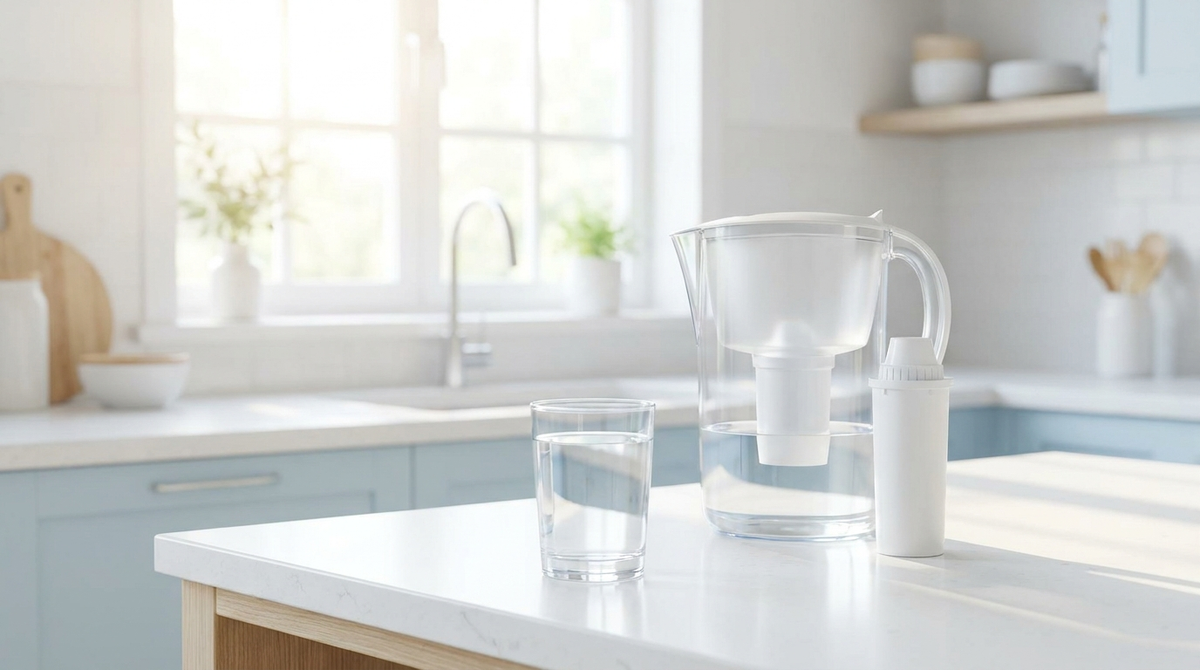
How Often Should You Replace Your Water Filter?
How to Test Your Tap Water at Home: Free Lookups, Strips, and Labs
August is National Water Quality Month. A calm guide to testing your tap water: the free reports you already have, why we steer people away from strip kits, and when a certified lab is worth it.
What to Do During a Boil Water Advisory
Boil water advisories are showing up more often as water mains age. Here is what an advisory actually means, exactly what to do while it is in effect, and why a carbon filter is not the fix.
Your Boil Water Advisory Just Lifted. Now What?
A 30-inch main break in Cary, North Carolina put 50,000 customers under a boil water advisory on September 14, and the all-clear came about 24 hours later. Here is what to actually do once a notice lifts, why utility guidance on flushing and filters genuinely differs, and what a drinking-water filter can and cannot do.
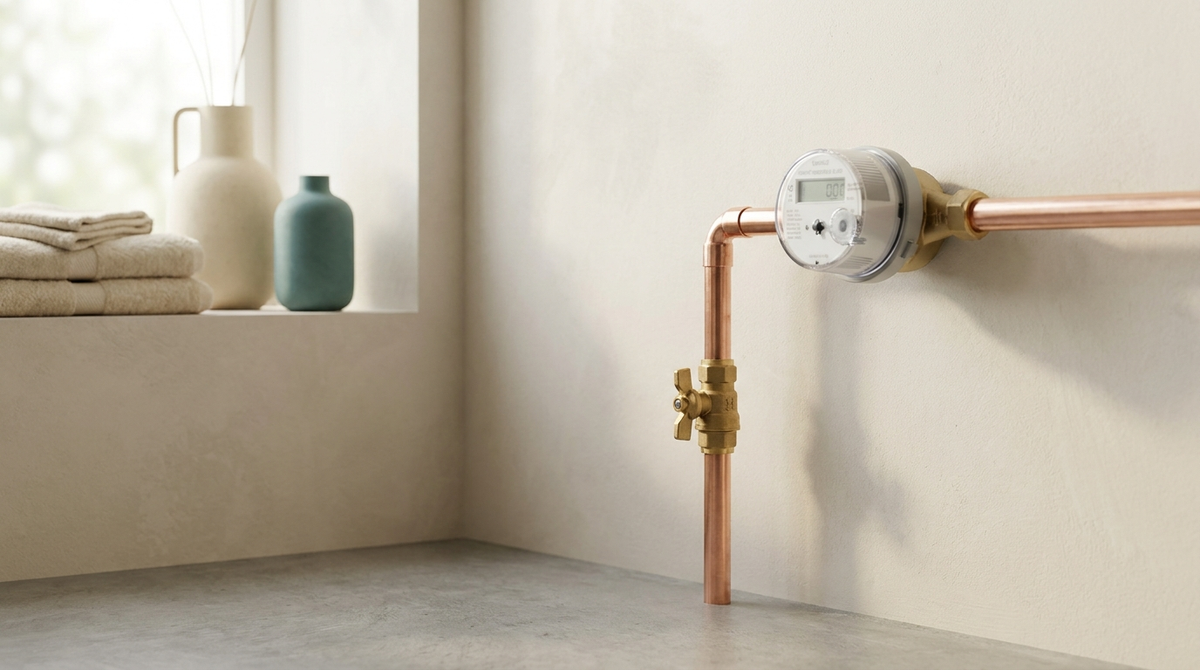
Do You Have a Lead Service Line? One in Five Is Still Unknown
About one in five US water service lines is still logged as unknown material, and thousands of utilities have missed the federal deadline to say which. Here is how to check the pipe at your own house, and what to do while you wait.
Is Hot Tap Water Safe to Drink? Why Cold Is the Only Tap for the Kettle
Hot tap water dissolves metals like lead faster and carries hours of water heater tank history. Here is why EPA says to drink and cook from the cold tap only, and where a filter honestly fits.