
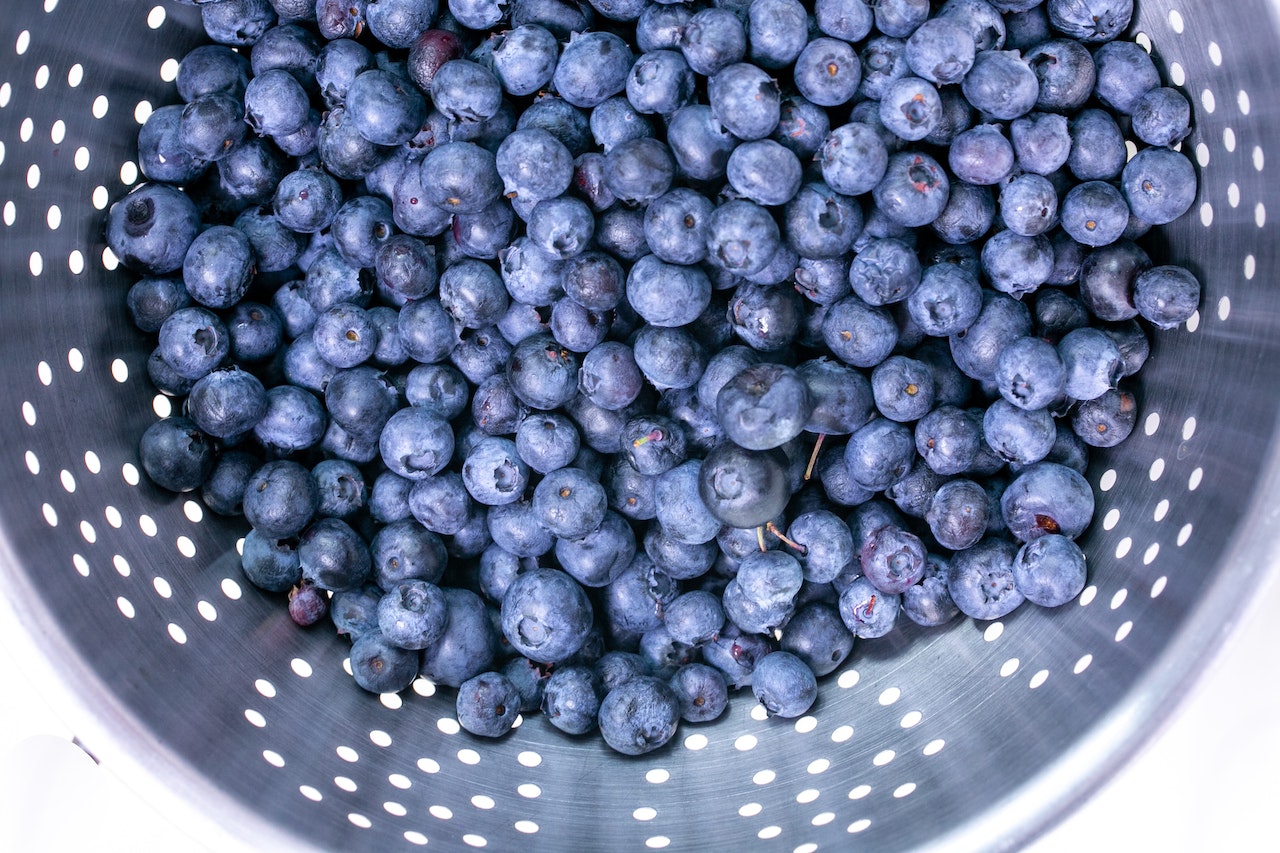
Quick answer: Blueberries are one of the easiest evidence-backed upgrades you can make to your diet. They are low in calories, high in fiber, vitamin C, vitamin K, and manganese, and unusually rich in anthocyanins, the antioxidant pigments that give them their color. Research links regular blueberry eating with benefits for heart health and cognitive function. They will not cure or prevent any disease on their own, but few snacks deliver this much nutrition for about 84 calories a cup.

Nutritional value of blueberries
A one-cup (148 gram) serving of fresh blueberries contains roughly:
- Calories: about 84
- Carbohydrates: 21 grams
- Fiber: 4 grams
- Protein: 1 gram
- Fat: less than 1 gram
- Vitamin C: about 24% of the recommended daily allowance
- Vitamin K: about 36% of the RDA
- Manganese: about 25% of the RDA

Why anthocyanins matter
Blueberries stand out for their anthocyanin content, the deep blue-purple pigments that double as antioxidants. Much of the published research on blueberries, including work on cognition and cardiovascular markers, focuses on these compounds. Antioxidants help counter oxidative stress in the body, though eating antioxidant-rich foods is a long-term dietary pattern, not a quick fix.
Blueberry benefits for women

Heart health
The fiber and polyphenols in blueberries are associated with better cardiovascular markers, including blood pressure and cholesterol, in observational and small intervention studies. That makes them a sensible part of a heart-conscious diet, alongside the bigger levers like overall diet, exercise, and not smoking.
Skin and healthy aging
The vitamin C in blueberries supports collagen production, and their antioxidants help counter free radical damage. That is a reasonable case for including them in your diet, though no food reverses aging.
Urinary tract health
Blueberries contain compounds related to those in cranberries that are studied for keeping bacteria from adhering to the urinary tract lining. The evidence here is stronger for cranberries, and it is preliminary either way, so enjoy blueberries for their overall nutrition rather than as UTI prevention.
Cognitive function
Some clinical research, including a six-month randomized trial in adults with mild cognitive decline, found that wild blueberry supplementation improved processing speed. Findings like these are promising rather than definitive, and they apply to everyone, not just women.
Blueberry benefits for men

Muscle recovery
Small studies have linked blueberry consumption with reduced markers of exercise-induced inflammation and faster recovery. If you train regularly, they are a good addition to a recovery routine, though sleep and protein still do most of the work.
Digestive health
With 4 grams of fiber per cup, blueberries support regularity and feed beneficial gut bacteria. This is one of their most straightforward, well-established benefits.
Blood pressure and prostate health
Blueberry polyphenols have been studied for modest blood pressure effects, with mixed results. You may also see blueberries credited with reducing prostate cancer risk; that research is preliminary, and no food has been proven to prevent cancer. A diet high in fruits and vegetables is associated with better health outcomes overall, and blueberries fit well within one.
Are blueberries good for kids?
Yes. They are a low-sugar, nutrient-dense snack that most kids will actually eat. In one placebo-controlled study, children aged 7 to 10 performed better on some cognitive tests in the hours after a wild blueberry drink. That is an interesting finding, not proof that blueberries make kids smarter, but as snacks go, a handful of berries on cereal or in a smoothie is hard to beat.
Blueberry juice vs whole blueberries

Pure blueberry juice retains many of the anthocyanins, and some heart health and cognition studies have used juice or powder rather than whole fruit. But juicing removes most of the fiber and concentrates the sugar, so you lose two of the berry's best features. If you enjoy blueberry juice, treat it as a supplement to whole berries rather than a replacement, and check labels, since many bottled blends add sweeteners.
Are blueberries good for your eyesight?
Blueberries are often mentioned alongside carrots as an eye food. The honest version: oxidative stress plays a role in age-related eye conditions like cataracts and macular degeneration, and blueberries supply vitamin C and antioxidants that are part of a generally eye-friendly diet. There is no strong evidence that blueberries specifically prevent or treat these conditions. Eat them because they are good for you overall, not as vision insurance.
The bottom line
Blueberries earn their reputation. They are low in calories, high in fiber and micronutrients, and backed by genuinely interesting research on heart and brain health. The word "superfood" oversells it; "one of the best everyday snack choices" is closer to the truth.
The same logic applies to what you drink with them. Most of the small, sustainable diet upgrades look like this: whole fruit instead of candy, and clean water instead of sugary drinks. If your tap water tastes off, a filter fixes that cheaply. Our Pure XP pitcher is independently tested to reduce lead, PFAS, chlorine, and over 99.9% of microplastics, and our filtered water bottles make it easy to skip sugary drinks on the go.
Related reading
- Why is rotisserie chicken bad for you?
- Benefits of baking soda in water
- How much weight will I lose on a 3-day water fast?
- Plastic water bottles and microplastics
Sources
- PubMed: Recent Research on the Health Benefits of Blueberries and Their Anthocyanins
- Nutritional Neuroscience: Six-month intervention with wild blueberries improved speed of processing in mild cognitive decline
- PubMed: Effects of blueberry supplementation on measures of functional mobility in older adults
- PubMed: Cognitive effects following acute wild blueberry supplementation in 7- to 10-year-old children
This article is for educational purposes and is not medical advice.
Share:
Sparkling Water Benefits
What Foods Have Iron