
Quick Drips
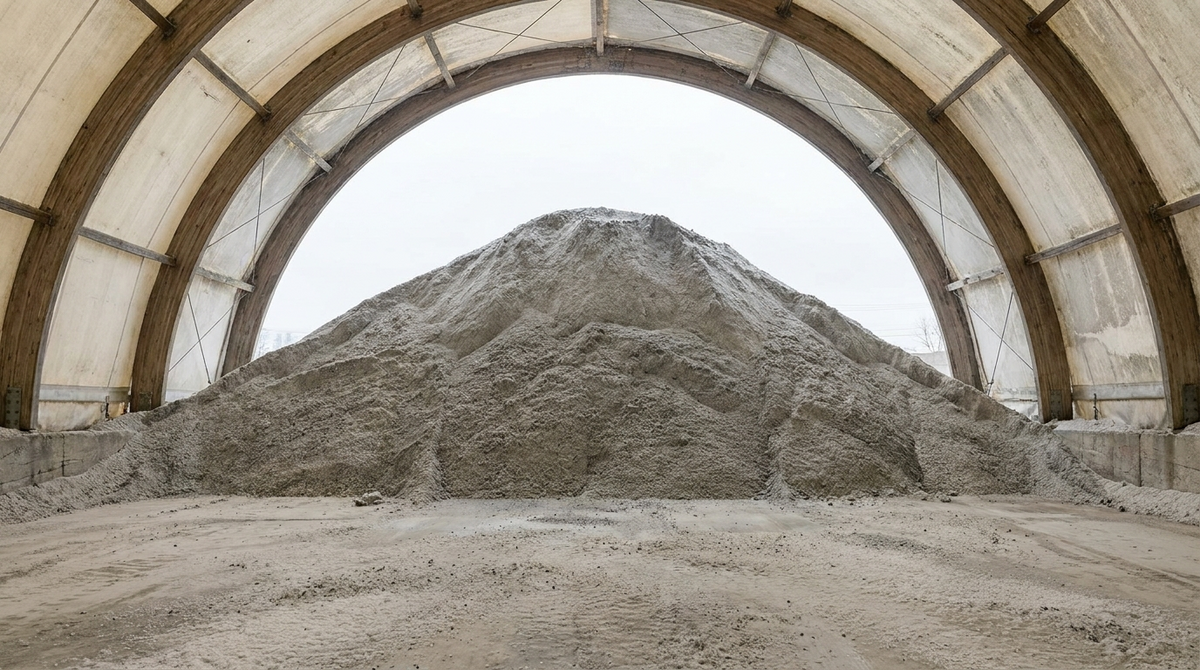
Road Salt Season Is Starting. What It Does to Your Tap Water.
Road salt season is starting, and chloride does not break down, settle out, or get treated away. Here is what it does to your tap water and your plumbing, and what a filter can and cannot do about it.
Arsenic in Well Water: What a Pitcher Filter Cannot Do
Arsenic has no taste, no smell and no color, and a private well has no testing mandate behind it. Here is how to find out whether yours has any, what actually removes it, and why a carbon pitcher filter is not the answer.
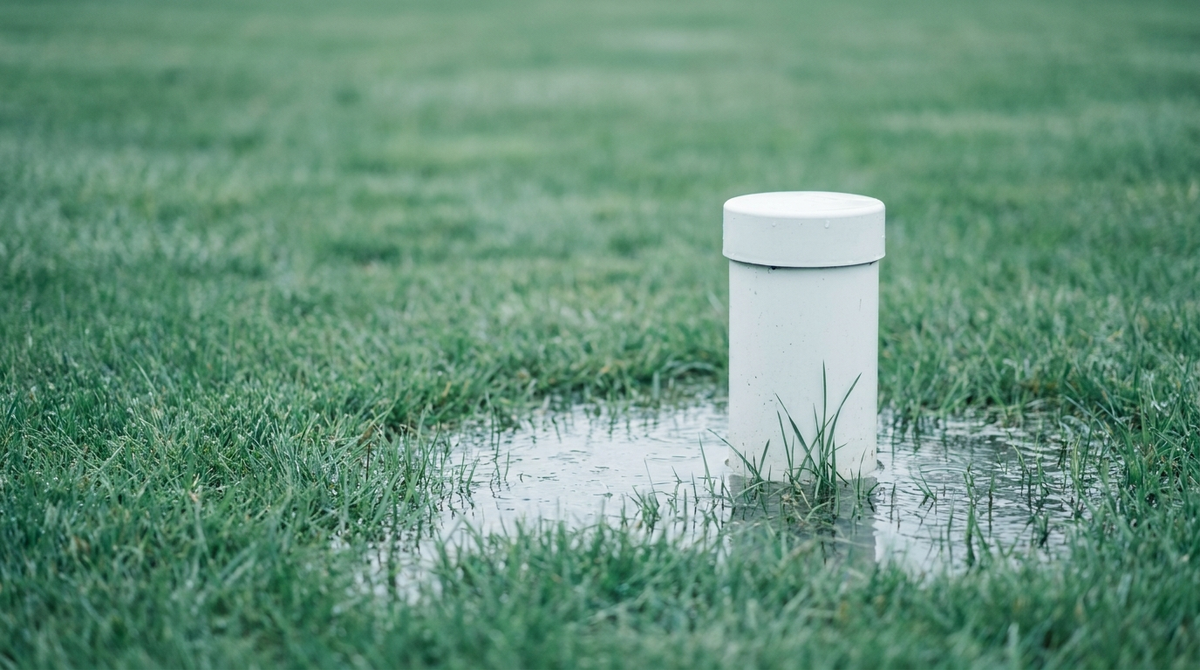
Is Well Water Safe After Flooding? Stop, Disinfect, Then Test
A September nor'easter put parts of the East Coast under water. If you draw from a private well, flood water means the well is contaminated until a certified laboratory says otherwise. Here is the order of operations.
Why Does My Water Smell Like Rotten Eggs? A Sink-by-Sink Guide
That sulfur smell is hydrogen sulfide, and your nose finds it at trace levels. A sink-by-sink diagnosis to locate the source, plus the fixes that actually work.
Well Water and Drought: What to Test, What a Filter Can Do