

Turbidity in Water: What It Means, Causes, and How to Fix It
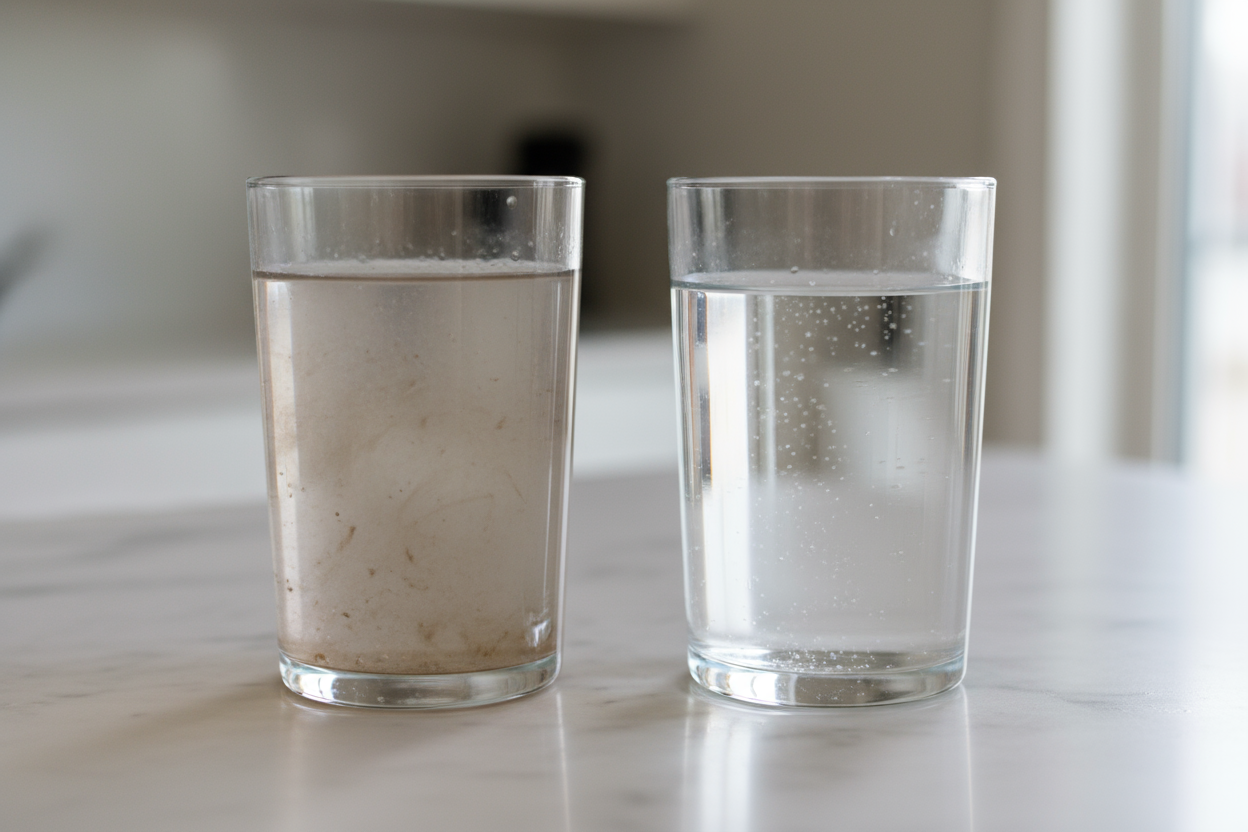
When you go to pour a glass of water, you probably expect it to be crystal clear. But sometimes, it looks cloudy or hazy, making you not want to drink it. That’s turbidity. It’s an important measure of water quality, and affects water safety and personal health. Let’s break down what turbidity is, what causes it, and how it can be managed.
Turbidity Definition
Turbidity is the cloudiness or haziness of water caused by tiny particles suspended in it. These particles scatter light, making the water look less clear. Scientists and water treatment plants measure turbidity in Nephelometric Turbidity Units (NTU), which is a standard scale based on how much light the particles scatter.

What Causes Turbidity in Water?
Turbid water is caused by tiny particles that are suspended in water, scattering light and making it appear cloudy. These particles come from both natural and human sources. Common causes include:
-
Soil and Sediment Runoff: Rain, erosion, and flooding wash fine particles of silt and clay into rivers, lakes, and reservoirs
-
Algae and Organic Matter: Algal blooms, decaying plants, and natural organic debris can all increase turbidity
-
Microorganisms: Bacteria and protozoa often grow alongside organic material, adding to the cloudiness of water
-
Chemical Precipitates: Minerals like iron or manganese can oxidize and form visible particles
-
Human Activities: Construction, agriculture, and urban runoff introduce sediments and pollutants into water sources
-
Pipes and Infrastructure: Corrosion or buildup inside pipes can release rust and sediments into treated water
What Causes High Turbidity in Water?
-
Turbidity spikes typically occur when something disturbs the water source:
-
Heavy rainfall washing soil into streams
-
Sudden algal growth in warm, nutrient-rich conditions
-
Pipe breaks or fire hydrant use stirring up sediments
-
Improper or overwhelmed water treatment

Is Turbidity in Water Harmful?
The particles causing the turbid water may not always be directly harmful. However, it’s often a warning sign:
-
Pathogen Risk: Cloudy water can shield dangerous microorganisms from disinfectants, allowing bacteria, viruses, or parasites to survive.
-
Taste & Smell: Higher turbidity can cause unpleasant odors and earthy or musty tastes.
-
Aesthetic Issues: Stains on laundry, dishes, or plumbing fixtures.
What Does a NTU of 1 Mean?
An NTU value tells you how clear (or cloudy) water is:
-
1 NTU = Water that looks very clear to the human eye.
-
<0.3 NTU = The gold standard for safe drinking water (EPA guidelines).
-
5+ NTU = Water starts to look visibly cloudy.
-
50+ NTU = Water is very murky, like after a storm or in muddy rivers.
So if your water measures 1 NTU, it’s considered quite clear, though the best drinking water is often even lower.

What is Good Water Turbidity?
-
Drinking Water: According to EPA standards, turbidity must be below 0.3 NTU in at least 95% of samples and no more than 1.0 NTU in any single reading
-
Natural Waters: Lakes, rivers, and streams vary widely, often between 1–50 NTU depending on rainfall and conditions
-
Aquatic Habitats: Fish and aquatic life thrive best in waters under 5 NTU, though some species tolerate more like those found in the Amazon River
How to Fix Water Turbidity
If you’re dealing with cloudy water, here are proven solutions:
-
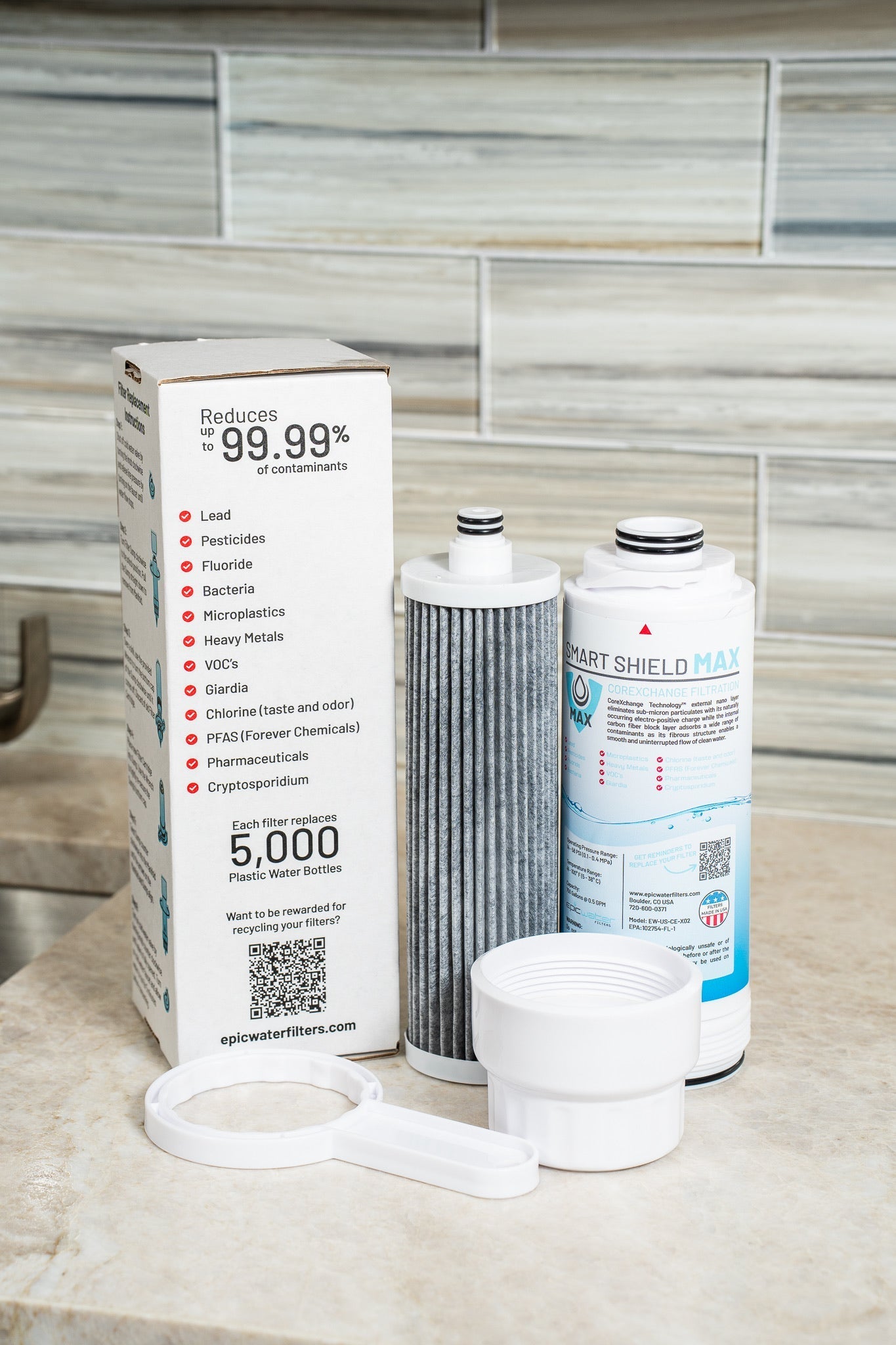
Filtration – Sand filters, ceramic filters, or advanced household filters can physically remove suspended particles
-
Coagulation & Flocculation – Water treatment plants add safe chemicals (like alum) to clump fine particles together so they settle out
-
Sedimentation – Letting water sit so heavier particles sink to the bottom
-
Activated Carbon – Removes organic compounds, odors, and improves clarity
-
Post-Filtration Disinfection – UV light or chlorine ensures pathogens are killed once turbidity is reduced
Key Takeaway
Turbidity is more than just cloudy water, it’s a measure of water’s safety and quality. High turbidity often means higher risks of pathogens and reduced effectiveness of disinfectants. A reading of 1 NTU means your water is fairly clear, but for drinking water, the safest level is 0.3 NTU or less.
Clear water doesn’t just look and taste better, it’s healthier too.
Sources:
Review of epidemiological studies of drinking-water turbidity and acute gastrointestinal illness
Systematic Review of Microorganism Removal Performance by Physical Treatment Processes
The association between drinking water turbidity and gastrointestinal illness: a systematic review

Share: