
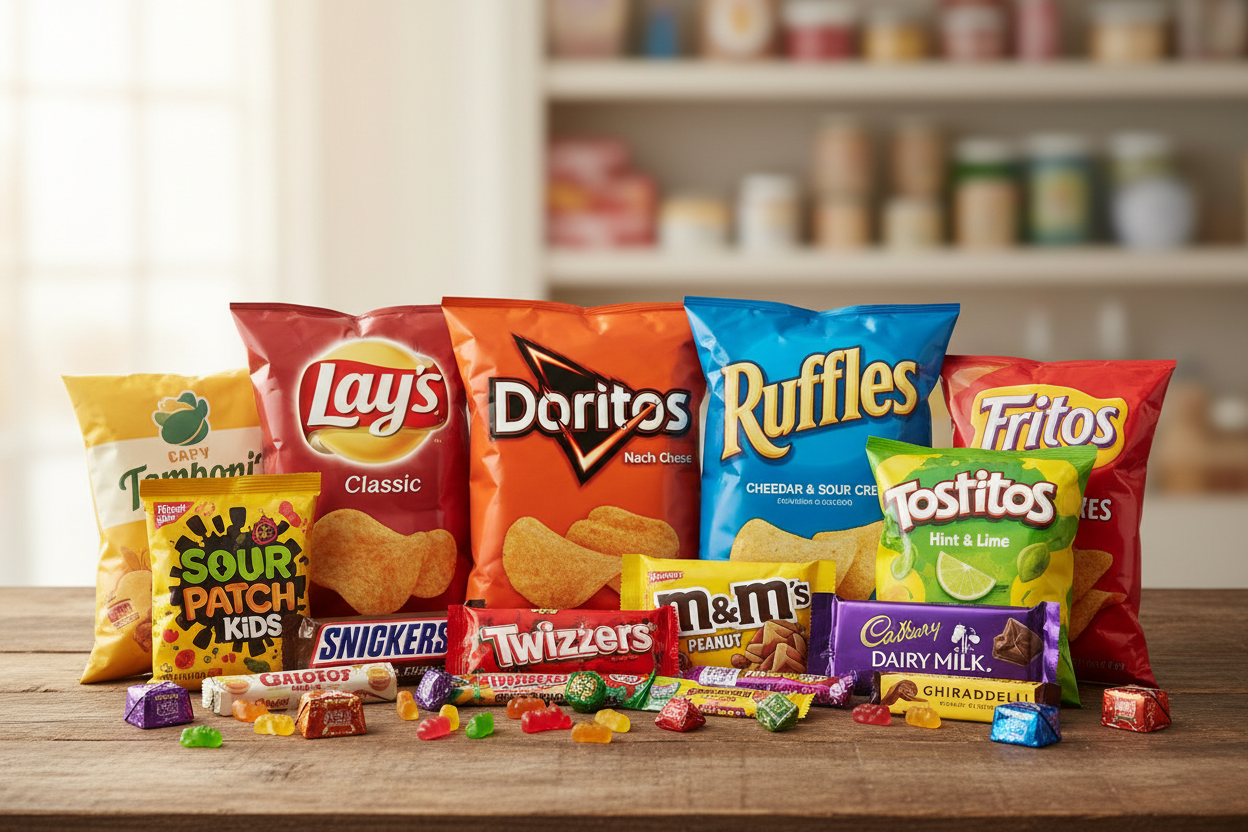
Top 10 Companies Facing Legal Action Over Ultra-Processed Foods
Ultra-processed foods (UPFs)—industrial food products formulated with refined ingredients, additives, and preservatives—have become a major focus of public health research. A growing body of peer-reviewed evidence links high consumption of ultra-processed foods to increased risk of obesity, type 2 diabetes, cardiovascular disease, and other chronic health conditions.
In response to these concerns, legal scrutiny of the food industry is increasing. In 2024, the City of San Francisco filed a landmark lawsuit against several major food and beverage manufacturers, alleging that they knowingly marketed ultra-processed products that contributed to population-level health issues. The lawsuit argues that deceptive marketing practices and the widespread promotion of ultra-processed foods have helped fuel diet-related disease.
Below are 10 major food and beverage companies that are known for selling ultra-processed foods along with 3 examples of their most unhealthy products.
1. Coca-Cola
Accused of aggressively marketing sugar-sweetened beverages linked to obesity, metabolic disease, and other health risks.
-
Coca-Cola Classic
-
Sprite
-
Minute Maid Fruit Punch
Coca-Cola’s beverages are primarily composed of high amounts of added sugars, which are strongly associated with insulin resistance, non-alcoholic fatty liver disease, and increased cardiovascular risk. Regular intake of sugar-sweetened beverages has also been shown to alter gut microbiota in ways that promote inflammation and metabolic dysfunction.
2. PepsiCo
Named for its portfolio of sugary drinks and ultra-processed snack foods that allegedly contribute to poor dietary patterns.
-
Pepsi
-
Mountain Dew
-
Doritos Nacho Cheese
In addition to high sugar content, many PepsiCo snack products contain industrial seed oils (such as corn, soybean, and canola oil) that are high in omega-6 fatty acids, which may promote chronic inflammation when consumed in excess relative to omega-3 intake. These products are also engineered for hyper-palatability, encouraging overconsumption and excess caloric intake.
3. Kraft Heinz
Facing claims related to the marketing of ultra-processed packaged foods and misleading nutritional messaging.
-
Kraft Mac & Cheese (boxed)
-
Heinz Ketchup (USA recipe)
-
Oscar Mayer Hot Dogs
Kraft Heinz products often contain refined carbohydrates, added sugars, and seed oils that contribute to rapid blood sugar spikes and increased inflammatory markers. Processed meats such as hot dogs are also classified as carcinogenic to humans by the World Health Organization due to their nitrite content and processing methods.
4. Mondelez International
Included for its production and promotion of ultra-processed snack products high in added sugars and refined ingredients.
-
Oreo Cookies
-
Chips Ahoy!
-
Ritz Crackers
Mondelez snack foods commonly include refined flour, seed oils, and emulsifiers that have been linked to gut barrier disruption and low-grade inflammation. Their high added sugar content further contributes to metabolic stress and increased risk of obesity-related disease.
5. General Mills
Named for packaged cereals and convenience foods alleged to contribute to unhealthy dietary intake.
-
Lucky Charms
-
Cinnamon Toast Crunch
-
Totino’s Pizza Rolls
Many General Mills cereals and frozen foods rely on added sugars, artificial colors, and seed oils, which together contribute to poor glycemic control and reduced nutrient density. Artificial food dyes used in some cereals have also been associated with behavioral effects in children and increased oxidative stress.
6. Nestlé USA
Included for its role in producing and marketing a wide range of ultra-processed food products.
-
Hot Pockets
-
Nesquik Chocolate Syrup
-
Toll House Cookie Dough (refrigerated)
Nestlé’s ultra-processed foods often combine added sugars, refined starches, and industrial seed oils that promote insulin resistance and excess calorie intake. These formulations are associated with increased risk of weight gain independent of total calorie consumption due to their effects on satiety signaling.
7. Kellanova (formerly Kellogg’s)
Facing scrutiny for breakfast cereals and snack foods high in refined carbohydrates and added sugars.
-
Frosted Flakes
-
Froot Loops
-
Pop-Tarts
Many Kellogg’s cereals and snack products contain high levels of added sugar, refined grains, and artificial food dyes, which are linked to metabolic dysfunction and increased inflammatory burden. The frequent use of seed oils further contributes to an imbalanced fatty acid intake associated with cardiometabolic risk.
8. Mars, Inc.
Named for confectionery and ultra-processed snack products associated with excess sugar intake.
-
Snickers
-
M&M’s
-
Skittles
Mars confectionery products are primarily composed of added sugars and refined carbohydrates that contribute to rapid glucose spikes and increased risk of type 2 diabetes. Several products also contain artificial food dyes, which have been associated with neurobehavioral effects and oxidative stress in experimental and human studies.
9. ConAgra Brands
Included for processed meals and packaged foods that make up a significant portion of the ultra-processed food supply.
-
Banquet Frozen Meals
-
Slim Jim Meat Snacks
-
Chef Boyardee Ravioli
ConAgra’s frozen and packaged foods commonly include refined grains, seed oils, sodium, and added sugars that together increase cardiovascular and metabolic disease risk. Diets high in these ultra-processed formulations are consistently associated with higher all-cause mortality in large population studies.
 10. Post Consumer Brands
Named for ultra-processed cereal products alleged to be misleadingly marketed as nutritious options.
-
Honey Bunches of Oats (sweetened varieties)
-
Fruity Pebbles
-
Cocoa Pebbles
Post cereals often contain added sugars, artificial colors, and refined carbohydrates that undermine glycemic control and satiety. Regular consumption of sugar-sweetened cereals has been linked to increased visceral fat accumulation and poorer cardiometabolic outcomes, particularly in children.
 Why Ultra-Processed Foods Are Under Legal Scrutiny
Scientific research consistently shows that diets high in ultra-processed foods are associated with increased calorie intake, poor nutrient quality, and elevated risk of chronic disease. These foods are often engineered to be hyper-palatable, encouraging overconsumption while displacing whole, nutrient-dense foods.
The lawsuits targeting ultra-processed food manufacturers reflect a broader shift in public health thinking: diet-related disease is not solely a matter of individual choice, but also of food environments shaped by corporate practices, marketing strategies, and product formulation.
As legal and scientific attention continues to grow, these cases may play a pivotal role in shaping future food policy, labeling standards, and consumer awareness around ultra-processed foods.
Sources
Ultra-processed Food Exposure and Adverse Health Outcomes
Ultra-Processed Foods and Health Outcomes: A Narrative Review
San Francisco Sues Big Food Companies Over Ultra-Processed Foods
San Francisco Sues Kraft, Mondelez and Other Food Companies Over Ultra-Processed Foods
Omega-6 vegetable oils as a driver of coronary heart disease
Ultra-processed food consumption and cardiovascular disease risk
Sugar-sweetened beverages and cardiometabolic risk
Share:
Turbidity of Water
Understanding Kosher Water: A Comprehensive Guide