
Quick answer: For everyday hydration, water temperature is mostly personal preference. Your body absorbs cold and room temperature water equally well. Cold water has a small edge during exercise and hot weather, mainly because it tastes better so people tend to drink more of it. Warm water may modestly help digestion and menstrual cramps. The bigger claims made for either temperature, like detoxing, immune boosting, or meaningful calorie burning, are not supported by good evidence.
Does water temperature actually matter?

There is a long-running debate about the best temperature for drinking water, and much of what circulates online overstates the case in both directions. The honest answer is that the differences are small and situational. Once water reaches your stomach, your body warms or cools it toward body temperature quickly, and hydration works the same either way. What matters far more is drinking enough water, and drinking water that is clean. Temperature is mostly about what gets you to actually drink it.
That said, there are a few real, modest effects worth knowing about. Here is where each side has a legitimate case.
The case for room temperature or warm water

Digestion
There is some evidence that warm water can help digestion in specific situations. One study of patients recovering from surgery found that drinking warm water was associated with improved bowel motility (study). Warm liquids may also feel gentler if your stomach is unsettled. This is a modest, context-specific effect, not a reason to give up cold drinks.
Menstrual cramps
Warmth is a well-established comfort measure for menstrual pain, and some research supports warm fluids and heat as helping to relax uterine muscles and ease cramping (study). If cramps are severe, talk to your doctor rather than relying on water temperature.
Congestion and sore throat
Warm liquids can help loosen mucus and soothe an irritated throat when you have a cold or sinus congestion. This is one of the more consistent everyday uses for warm water, even if the effect is comfort as much as cure.
Comfort and sensitivity
If you have sensitive teeth, heartburn, or simply find ice water unpleasant to drink quickly, room temperature water is easier to get down. For some people that alone means they drink more water over the day, which is the outcome that actually matters.
The case for cold water

During exercise and hot weather
This is where cold water earns its slight edge. Cold water is more palatable during and after exercise, and people reliably drink more of a drink they find refreshing. It also helps you feel cooler when you are overheated. If a cold bottle gets you to hydrate properly through a workout or a hot afternoon, that is a real benefit.
Feeling refreshed and alert
Many people find cold water wakes them up and feels more refreshing than lukewarm water. That perceived boost is fine to enjoy, but claims that cold water meaningfully improves circulation or cognitive function go beyond the evidence.
The calorie-burning claim
It is technically true that your body expends energy warming cold water to body temperature. The amount is tiny, on the order of a few calories per glass, and it is not a meaningful tool for weight loss. A balanced diet and regular exercise do that job; ice water does not.
Claims that do not hold up

A few claims circulate on both sides of this debate that we could not find good evidence for, so we want to be straight about them:
- Cold water flushes toxins. Your liver and kidneys handle that, and they do not care what temperature your water is. Staying hydrated supports them at any temperature.
- Either temperature boosts your immune system. Hydration in general supports normal immune function, but no water temperature has been shown to strengthen immunity.
- Cold water harms digestion. This is a common traditional belief, but there is no solid evidence that cold water damages digestion in healthy people. If cold drinks feel uncomfortable with meals, drink them warmer; that is preference, not danger.
The bottom line

Drink the temperature you will actually drink. Cold during workouts and heat, warm when your stomach or your cramps ask for it, room temperature if that is what goes down easiest. Your body does not keep score.
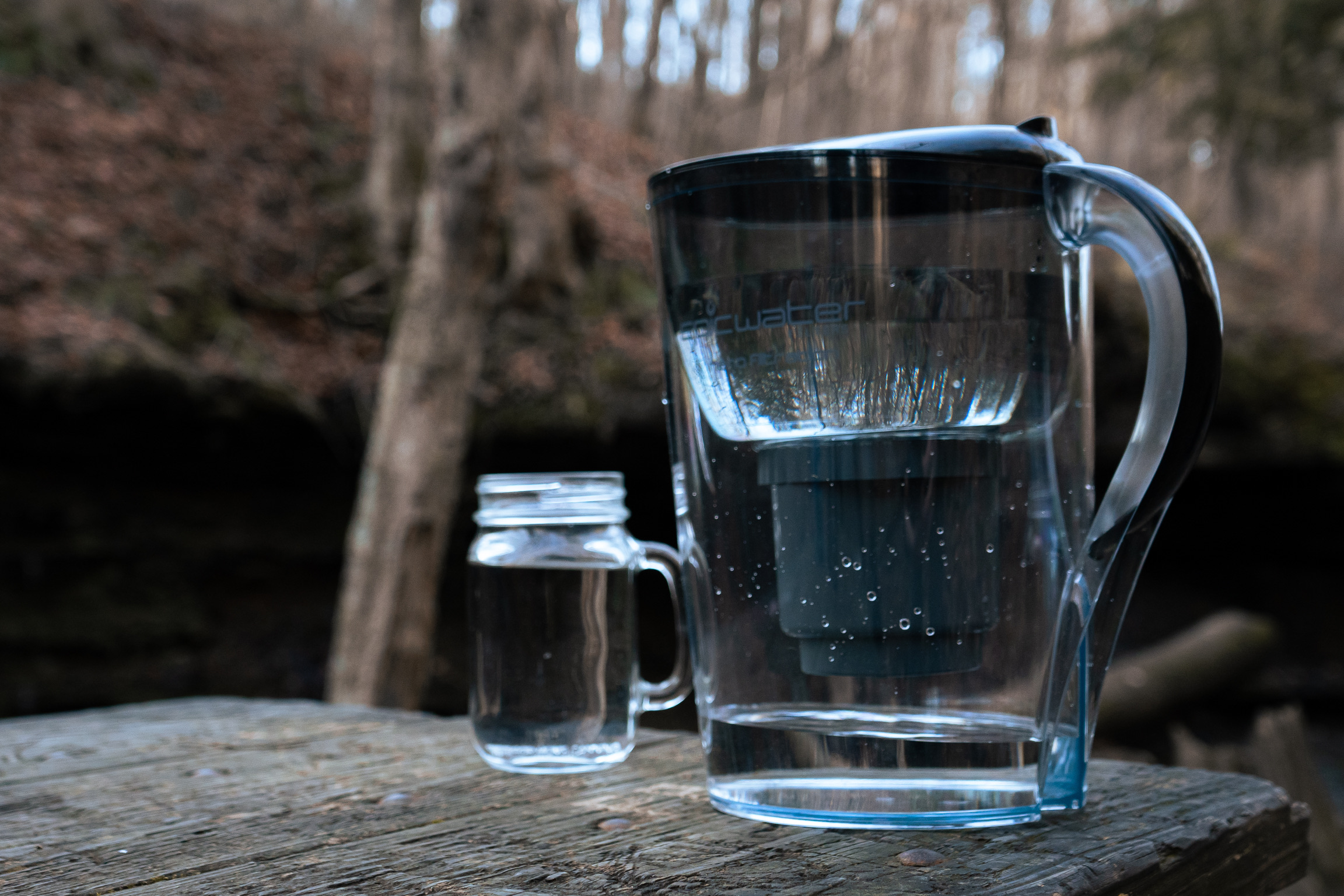
What is in the water matters more than its temperature. If you are drinking tap water all day, filtering it removes things you do not want along for the ride, like chlorine taste, lead, and microplastics. Our Pure XP pitcher is independently tested to reduce lead, PFAS, chlorine, and over 99.9% of microplastics, and it lives in the fridge if cold is your preference. The Pure XP Dispenser covers bigger households, and our filtered water bottle is built for the gym bag. Filtered tap water also skips the plastic waste and the price tag of bottled water, at any temperature.
Related reading
- How Much Does Water Weigh?
- Benefits of Baking Soda in Water
- Plastic Water Bottles and Microplastics
- How Much Weight Will I Lose on a 3-Day Water Fast?
Sources
- PubMed (NCBI), study on warm water intake and bowel motility after surgery (pubmed.ncbi.nlm.nih.gov)
- BMC Women's Health, study on warmth and menstrual pain relief (bmcwomenshealth.biomedcentral.com)
This article is for educational purposes and is not medical advice.
Share:
The Best Water Filter For Apartments
Can Water Be Organic