
Quick Drips
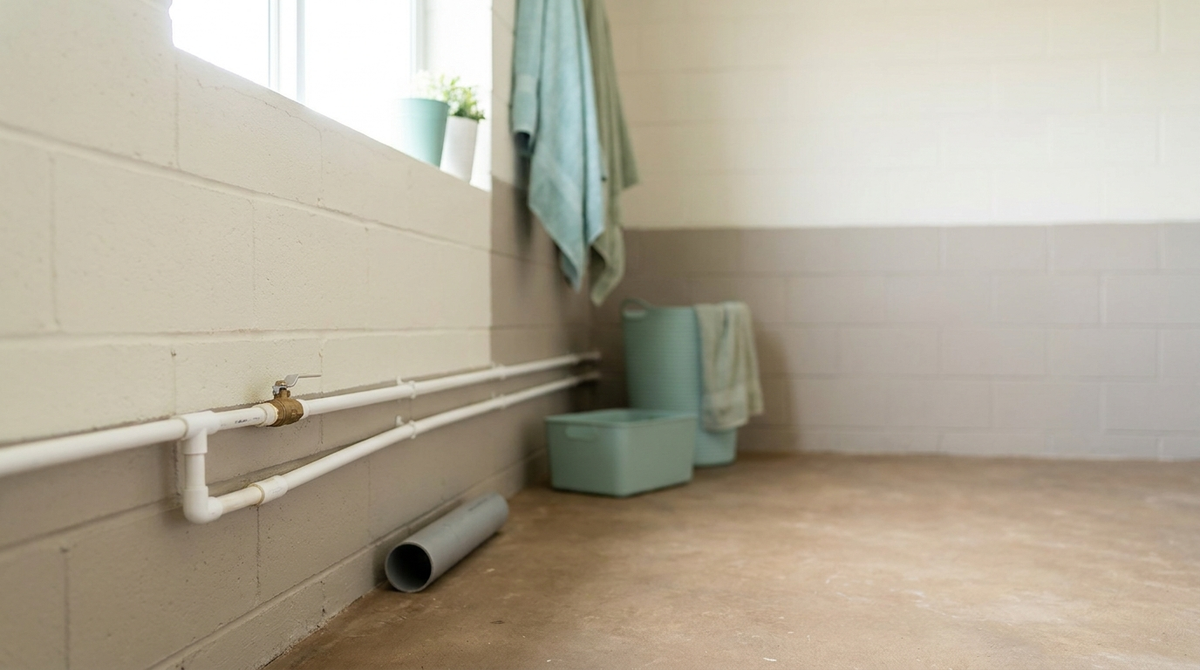
Do Plastic Water Pipes Release Microplastics? A New Study Counted Them
A study published on November 3, 2026 measured the plastic particles shed by six drinking water pipe and lining materials, with and without chlorine. Here is what it found, what it does not prove, and what you can actually check about your own water.
Not detected is not the same as zero: the PFAS line on your water report
A study published on October 23 argues that counting below-limit PFAS results as zero understates national occurrence by about half. Here is what the reporting limit behind an ND actually is, and what to ask your utility.
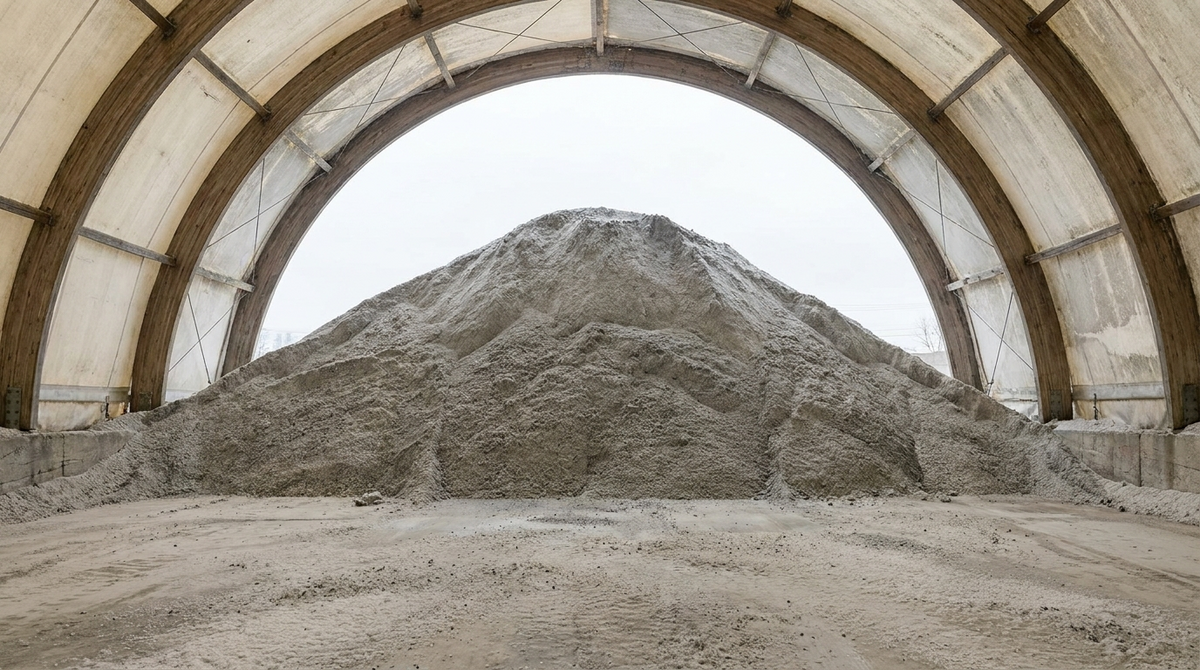
Road Salt Season Is Starting. What It Does to Your Tap Water.
Road salt season is starting, and chloride does not break down, settle out, or get treated away. Here is what it does to your tap water and your plumbing, and what a filter can and cannot do about it.
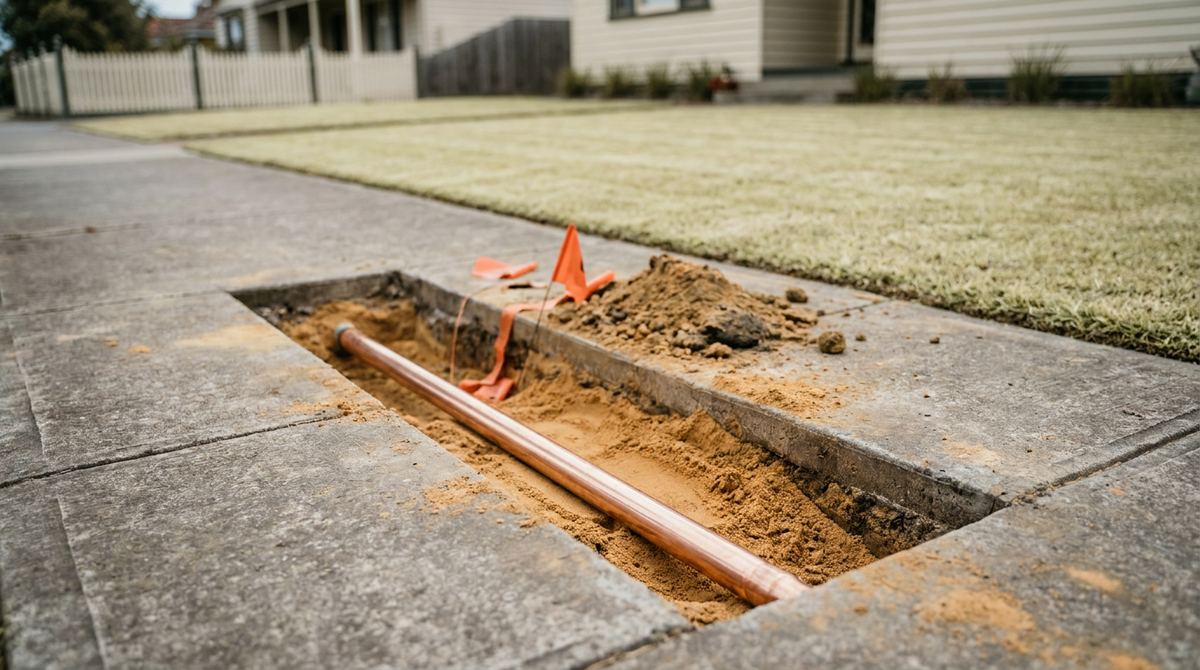
Your Lead Pipe Is Being Replaced. What to Do Next.
Your city is pulling the lead service line out of the ground, and the work itself can shake particulate lead loose. Here is the flush, filter and verification routine for the months that follow.
Arsenic in Well Water: What a Pitcher Filter Cannot Do
Arsenic has no taste, no smell and no color, and a private well has no testing mandate behind it. Here is how to find out whether yours has any, what actually removes it, and why a carbon pitcher filter is not the answer.
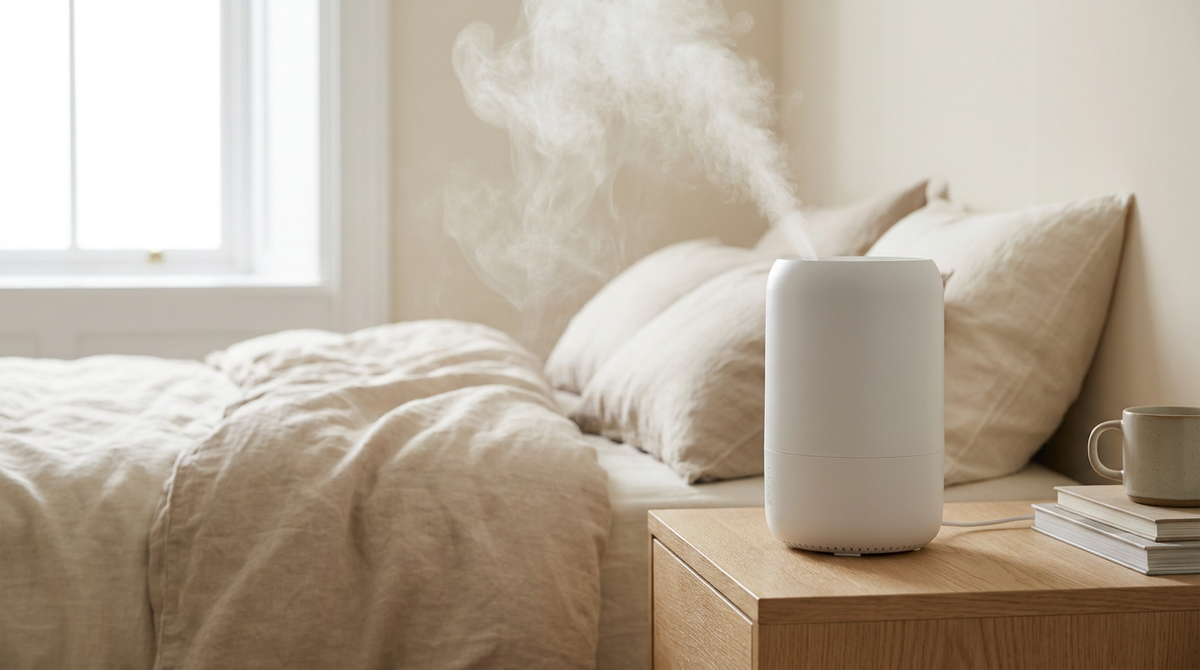
Can You Use Tap Water in a Humidifier? What EPA Actually Says
Heating season started, humidifiers came back out, and the white dust followed. EPA recommends low mineral content water, and a carbon pitcher filter is not the tool for that job.
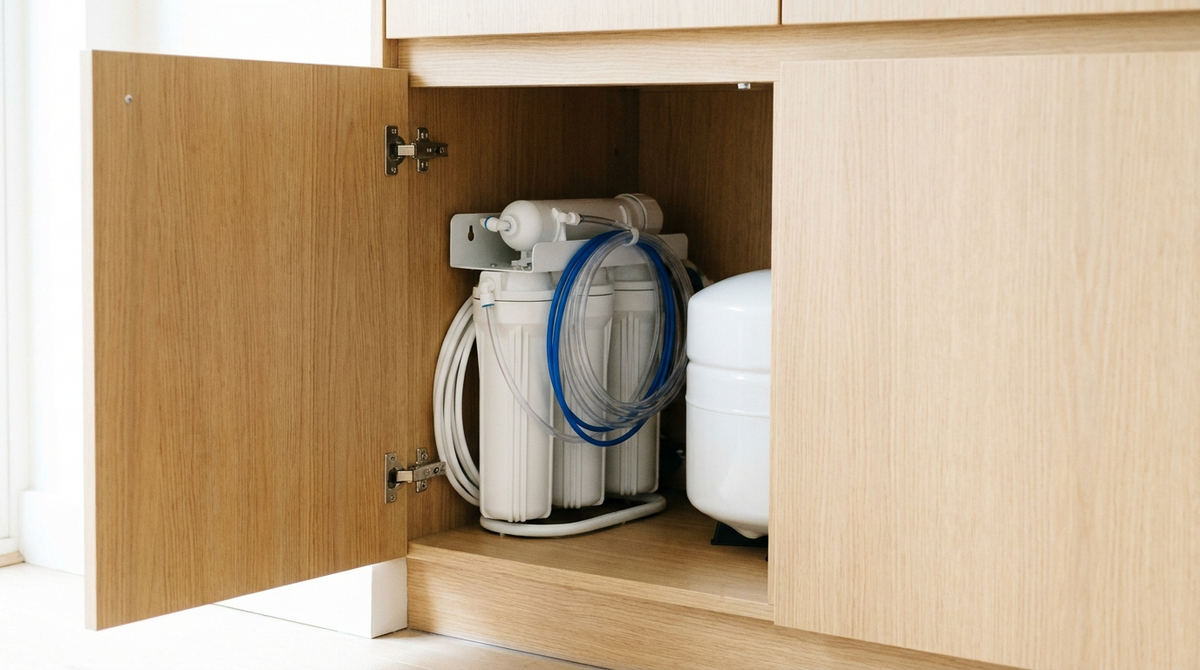
Reverse Osmosis or a Pitcher Filter: Which Do You Actually Need?
A new national report put PFAS back in the headlines and filter shopping back on the to-do list. Here is what reverse osmosis removes, what a carbon pitcher does not, and how to choose using your own water report.
Why your tap water is chlorinated, and what a filter is actually for
The chlorine you can smell in a glass of cold tap water is a deliberate safety net, carried through miles of pipe on purpose. Here is what the residual is doing, what EPA limits it to, and where a filter honestly fits.
TFA in Tap Water: The Ultra-Short PFAS Most Filters Miss
Researchers found an ultra-short-chain PFAS called TFA in 64 of 70 New Jersey tap water samples. Here is what the study shows, what is regulated, and the honest limit of what a pitcher filter can do.