
Quick Drips
TFA in Tap Water: The Ultra-Short PFAS Most Filters Miss
Researchers found an ultra-short-chain PFAS called TFA in 64 of 70 New Jersey tap water samples. Here is what the study shows, what is regulated, and the honest limit of what a pitcher filter can do.

PFAS Found in Your Local Creek. Is It in Your Tap Water?
Pennsylvania told anglers not to eat fish from the Wissahickon Creek basin after PFOS turned up in fish tissue. That is a watershed finding, not a tap water result. Here is how to tell the two apart and find your own system's numbers.
Does a Water Filter Remove Bacteria? Boil It Anyway
Maricopa, Arizona spent a day under a boil advisory over a possible E. coli result, and a lot of households asked the same question: does a filter pitcher count? The CDC answer is no, and here is why.
Is Tap Water Safe During Pregnancy? What to Check, in Order
In a system meeting federal standards, tap water is generally considered safe to drink. The qualifiers are local, and lead and nitrate are the two worth a deliberate look during pregnancy.
Your Water Bill Is Up 62 Percent. Here Is What It Buys.
Water prices at the 500 largest US systems rose 62 percent in a decade, faster than inflation, groceries or incomes. Here is what that bill actually pays for, where the line falls between your utility and you, and how to run the cost math before buying anything.
Is Softened Water Safe to Drink? And Do You Still Need a Filter?
A water softener is a scale machine, not a drinking water filter. What ion exchange actually adds, the sodium numbers that matter, and the lead question softening makes more relevant, not less.
What a Disinfection Byproduct Violation Notice Actually Means
A water notice can say your system exceeded the trihalomethane standard and that this is not an emergency, both at once. Here is how the running annual average works, why the notice arrives late by design, and why boiling makes it worse.
Is Well Water Safe After Flooding? Stop, Disinfect, Then Test
A September nor'easter put parts of the East Coast under water. If you draw from a private well, flood water means the well is contaminated until a certified laboratory says otherwise. Here is the order of operations.
Why Is My Tap Water Cloudy? The Two Minute Glass Test
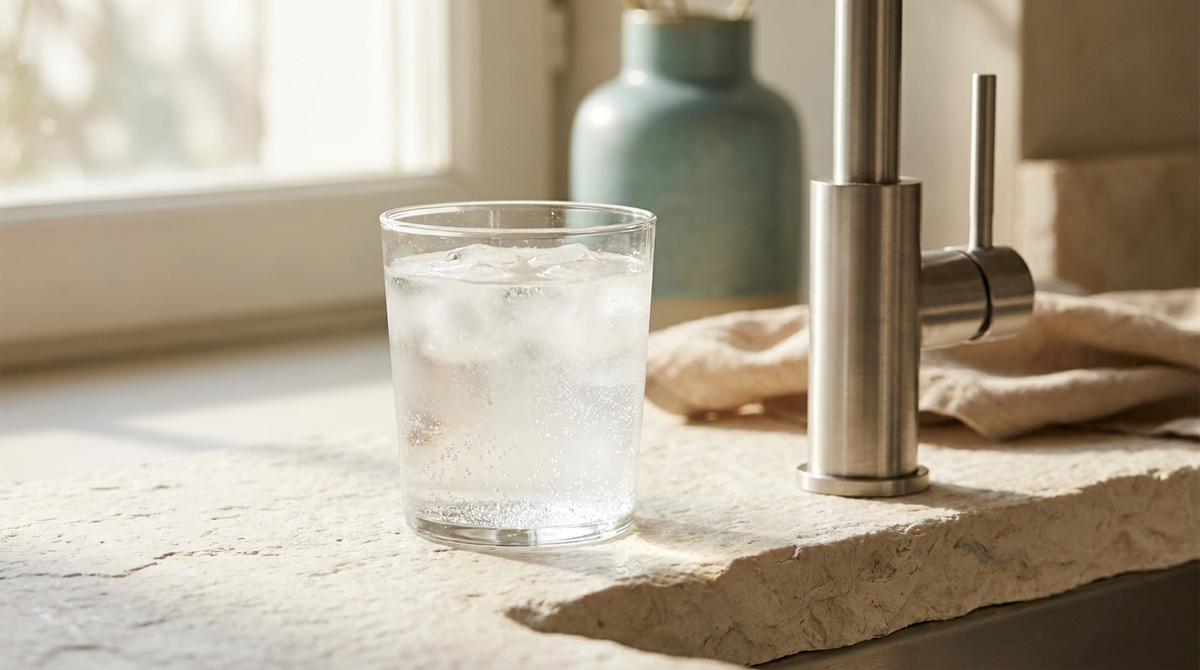
Milky tap water is almost always dissolved air coming out of solution at the tap, and it clears on its own. Here is the two minute glass test, why it is a cold weather problem, and what changes after a water main break.