
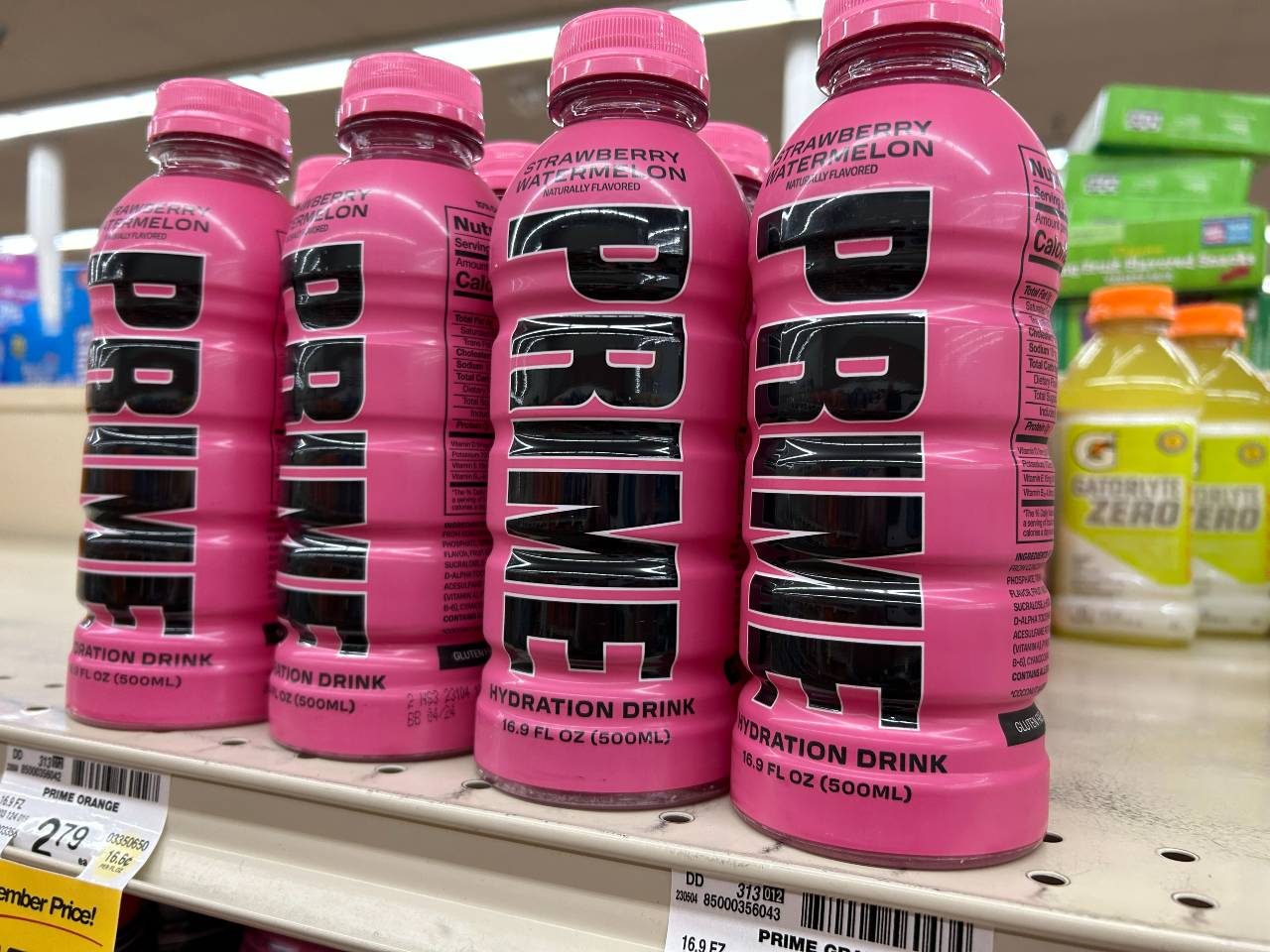
Quick answer: Prime Hydration is not dangerous for most healthy people, and an occasional bottle is fine. It is caffeine free, built on a coconut water base, and sweetened with sucralose and acesulfame potassium instead of sugar. The honest criticisms are the artificial sweeteners, the synthetic additives, and the single use plastic bottle, not any single toxic ingredient. It is also a different product from Prime Energy, which contains around 200 mg of caffeine and is not appropriate for children or teens.
Prime Hydration vs Prime Energy: two different drinks
The two products share the Prime branding and similar looking bottles, so they get mixed up constantly. The difference matters.
Prime Hydration is a sports drink. It contains no caffeine. It is built on a coconut water base with added electrolytes and B vitamins, and it uses zero calorie sweeteners instead of sugar. It competes with drinks like Gatorade Zero and Powerade.
Prime Energy is a carbonated energy drink with about 200 mg of caffeine per can, roughly the caffeine of two cups of coffee in a can sized for one sitting. That is far too much caffeine for kids, and its popularity with minors prompted warnings from pediatric health experts. The American Academy of Pediatrics position is that children and adolescents should not consume energy drinks at all. Everything in this article is about Prime Hydration. If your kid is drinking Prime Energy, that is a different and more serious conversation.

What is in Prime Hydration?
The ingredient list is where the criticism starts. None of these ingredients is a reason to panic, but several are worth understanding before you make Prime a daily habit.
Sucralose and acesulfame potassium
Prime Hydration gets its sweetness from sucralose and acesulfame potassium rather than sugar. Both are FDA approved, and skipping the sugar found in traditional sports drinks is a real upside. The research on regular artificial sweetener use is mixed, though. A study published in JAMA Network Open found that sucralose affected appetite and food reward signaling differently than sugar, particularly in people with obesity. A systematic review of trials and cohort studies found no clear cardiometabolic benefit from routine nonnutritive sweetener use. Some research also suggests artificial sweeteners may alter gut bacteria.
None of this proves an occasional bottle will hurt you. It is a reason not to make artificially sweetened drinks an everyday default, and drinking intensely sweet zero calorie beverages regularly can also train your palate to expect everything to taste sweet.
Citric acid
The citric acid in processed drinks is manufactured citric acid, produced by fermentation rather than squeezed from citrus fruit. For the vast majority of people it is harmless. A small published case series described inflammatory reactions in four sensitive individuals, which is worth knowing about but is thin evidence against an additive used in thousands of products. If citrus flavored processed drinks reliably upset your stomach, this ingredient is one possible reason.
Beta carotene and added vitamins
Prime Hydration uses beta carotene for color and adds synthetic vitamins including retinyl palmitate (vitamin A), pyridoxine hydrochloride (vitamin B6), and cyanocobalamin (vitamin B12). Context matters here. The well known lung cancer finding for beta carotene came from a trial of high dose supplements in male smokers, not from the small amounts used to color a beverage. Added vitamins in drinks are generally fine. They are just not a substitute for nutrients from food, and if you use several fortified products a day the doses can stack up.

What natural flavors actually means
Prime Hydration, like most flavored drinks, lists natural flavors. The FDA defines natural flavors as substances derived from plant or animal matter, but the term allows for extensive lab processing and says nothing about which specific compounds are used. Regulators generally consider natural flavors safe, and the term is not evidence of harm. It is a transparency problem: you cannot tell from the label what is actually in the flavoring, which matters most for people with allergies or sensitivities.
Is Prime Hydration good for kids?

Prime is enormously popular with kids, and because Prime Hydration is caffeine free it is not dangerous the way an energy drink would be. That said, the American Academy of Pediatrics is clear that most children do not need sports drinks at all. Plain water covers normal play and practice, and electrolyte drinks are only useful during prolonged, intense exercise. There is also a reasonable case against building a daily artificial sweetener habit in childhood: long term data in kids is limited, and very sweet drinks shape developing taste preferences away from water and whole foods.
The practical take: an occasional Prime Hydration for an active teenager is nothing to panic about. A daily bottle for a young child is unnecessary. And Prime Energy should be off the table for minors entirely.
Microplastics and single use plastic bottles

There is one more consideration that has nothing to do with the recipe. Research published in Frontiers in Chemistry found synthetic polymer contamination, better known as microplastics, in bottled water, with much of it traced to the type 1 PET plastic the bottles themselves are made from. That is the same category of single use plastic used for many bottled beverages, including drinks like Prime. The amounts involved are small and the long term health effects of ingesting microplastics are not yet fully understood, but if you want to limit exposure, the simplest moves are drinking from reusable stainless steel or glass and cutting back on single use plastic packaged drinks.
Healthier alternatives to Prime

For everyday hydration, filtered water is the honest answer: no sweeteners, no additives, no plastic bottle, and it costs a fraction of what a case of sports drinks does. If you want more than plain water, these hold up well:
- Plain coconut water: natural electrolytes including potassium and magnesium, without artificial sweeteners.
- Green tea: a modest natural caffeine lift plus antioxidants.
- Herbal tea: chamomile, peppermint, or ginger, hot or iced, no caffeine needed.
- Lemon or lime water: filtered water with fresh citrus adds flavor and vitamin C with no sugar.
- Maple water: lightly flavored natural hydration with trace minerals.
- Fresh fruit juice in small amounts: real vitamins and antioxidants, though it is high in natural sugar, so treat it as an occasional choice rather than a thirst quencher.
The bottom line on Prime Hydration
Prime Hydration is not bad for you in the way scary headlines suggest. It is caffeine free and sugar free, and used occasionally around hard exercise it does its job. It is also an artificially sweetened, artificially flavored drink in a single use plastic bottle, and nobody, especially kids, needs it daily. Keep Prime Energy away from minors, full stop.
If the real goal is drinking more water and fewer engineered beverages, make the water you already have taste great. The Pure XP pitcher is independently tested to reduce lead, PFAS, chlorine, and over 99.9% of microplastics, and the Pure XP Dispenser does the same for a fridge full of family sized refills. For the gym bag, a filtered water bottle turns any tap or fountain into clean cold water without the plastic waste.

Related reading
- Is Gatorade Zero Bad For You?
- Is Powerade Good For You?
- Monster Energy Drink Side Effects
- Plastic Water Bottles and Microplastics
Sources
- American Academy of Pediatrics, Pediatrics: Sports Drinks and Energy Drinks for Children and Adolescents: Are They Appropriate?
- NCBI (PubMed Central): Potential role of the common food additive manufactured citric acid in eliciting significant inflammatory reactions: a series of four case reports
- JAMA Network Open: Obesity and Sex-Related Associations With Differential Effects of Sucralose vs Sucrose on Appetite and Reward Processing
- PubMed (CMAJ): Nonnutritive sweeteners and cardiometabolic health: a systematic review and meta-analysis
- NPR: Is Natural Flavor Healthier Than Artificial Flavor?
- The New York Times: Are Natural Flavors Really Natural?
- The New England Journal of Medicine: The Effect of Vitamin E and Beta Carotene on the Incidence of Lung Cancer and Other Cancers in Male Smokers
- Frontiers in Chemistry: Synthetic Polymer Contamination in Bottled Water
PRIME HYDRATION is a trademark of Prime Hydration LLC. Epic Water Filters is not affiliated with Prime Hydration. This article is for educational purposes and is not medical advice.
Share:
Is Rockstar Energy Drink Bad For You?
Is Prime Energy Drink Bad For You?