
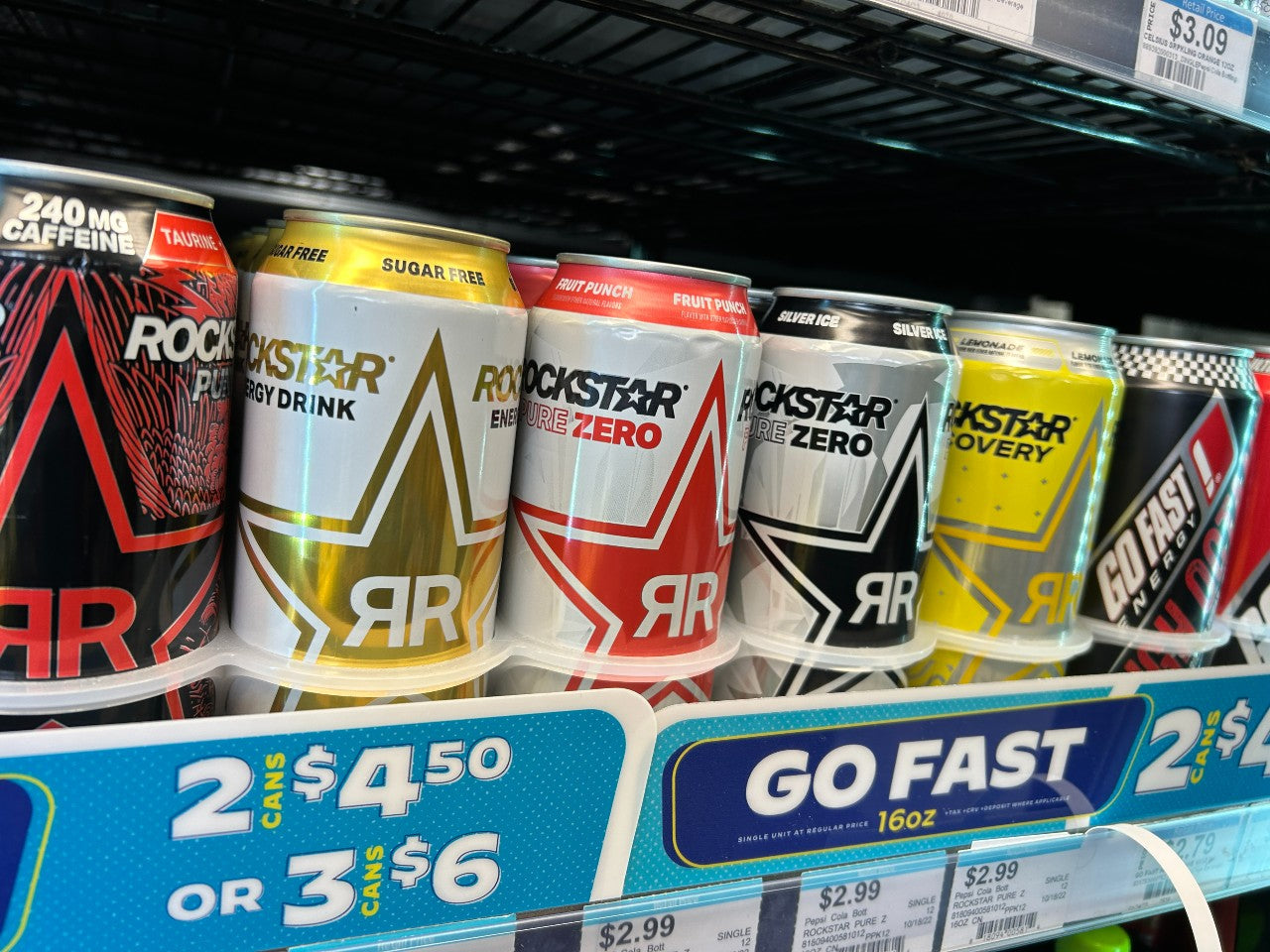
Quick answer: An occasional Rockstar will not harm most healthy adults. A 16 oz can of the original formula contains about 160 mg of caffeine (a 24 oz can has about 240 mg) plus a substantial amount of sugar. The real problems are daily consumption, stacking it on top of coffee or pre-workout, mixing it with alcohol, and any consumption by children and teens, which the American Academy of Pediatrics advises against.
What is in Rockstar energy drink?

The original Rockstar formula lists carbonated water, sugar, glucose syrup, citric acid, taurine, natural and artificial flavors, sodium citrate, caramel color, glucuronolactone, sodium benzoate, potassium sorbate, inositol, L-carnitine, guarana seed extract, niacinamide (vitamin B3), calcium pantothenate (vitamin B5), milk thistle extract, panax ginseng root extract, Yellow 5, pyridoxine hydrochloride (vitamin B6), riboflavin (vitamin B2), and cyanocobalamin (vitamin B12).
Several of these ingredients, like taurine and the B vitamins, occur naturally in the body or in food. The doses in energy drinks are higher than what you would get from a normal diet, and the long-term effects of taurine and glucuronolactone at these levels have not been well studied. That is not proof of harm, but it is a reason for moderation.
How much caffeine is in Rockstar?
| Drink | Caffeine per serving |
|---|---|
| Rockstar Energy Drink, Original 16 oz | 160 mg per can |
| Rockstar Energy Drink, Original 24 oz | 240 mg per can |
| Brewed coffee, 8 oz cup (for reference) | about 95 mg |
| Green tea, 8 oz cup (for reference) | 30 to 50 mg |
For healthy adults, the FDA points to 400 mg of caffeine per day as a level not generally associated with negative effects. One 16 oz Rockstar uses up almost half of that on its own.

Rockstar energy drink side effects
Occasional use is one thing. Daily or heavy use is where the documented concerns show up:
- Heart and blood pressure: Caffeine at these doses raises heart rate and blood pressure, and heavy energy drink consumption has been linked in research to heart palpitations and irregular heart rhythm.
- Poor sleep: Caffeine consumed in the afternoon or evening interferes with sleep, and chronic short sleep undermines the alertness the drink was supposed to provide.
- Sugar load: The original formula is high in sugar and calories. Daily cans add up to weight gain and, over time, greater risk of insulin resistance and type 2 diabetes.
- Artificial sweeteners: The sugar-free versions use sucralose and acesulfame potassium. The evidence here is mixed: some studies suggest effects on appetite and metabolic health, while regulators consider these sweeteners safe at typical intakes.
- Tooth enamel: Energy drinks are acidic, and daily exposure erodes enamel and contributes to tooth decay.
- Dependence and withdrawal headaches: Regular caffeine use builds tolerance and dependence. Caffeine constricts blood vessels in the brain; when you skip your usual dose, those vessels dilate, and the increased blood flow can trigger a headache.
Effects on your kidneys
Caffeine is a mild diuretic, so leaning on energy drinks instead of water can leave you short on actual hydration, which is hard on the kidneys over time. The more established kidney connection is indirect: chronically high sugar intake raises the risk of type 2 diabetes, and diabetes is a leading contributor to kidney disease. Neither of these is a reason to panic over one can. Both are reasons not to make it a daily habit, and to drink water alongside.
Caffeine stacking
The most common real-world problem is not one Rockstar, it is the total. A morning coffee (about 95 mg), a 16 oz Rockstar (160 mg), and a scoop of pre-workout (often 150 to 300 mg) together blow well past the FDA's 400 mg daily reference point. If you drink Rockstar, count it in your daily caffeine total the same way you would count a coffee, and watch for the signs you are over: jitters, racing heart, anxiety, and poor sleep.
Mixing energy drinks with alcohol
Mixing energy drinks with alcohol deserves its own warning. Caffeine masks the sedating effects of alcohol, so you feel more sober than you are. That tends to lead to drinking more, staying out longer, and taking risks you would not otherwise take, while your actual impairment is unchanged. It is a combination worth avoiding entirely.
What happens if kids drink Rockstar?

Energy drinks are not appropriate for children or teenagers. The American Academy of Pediatrics is direct on this point: caffeine and other stimulants have no place in the diets of children and adolescents. Caffeine hits developing bodies harder, raising heart rate, blood pressure, and anxiety, and it disrupts the sleep that kids' cognitive and emotional development depends on. Add the sugar load and the dental impact, and there is no version of this product that makes sense for a minor.
Healthier alternatives to Rockstar

Start with the boring answer, because it works: mild dehydration reads as fatigue, and a glass of cold filtered water fixes more afternoon slumps than people expect. Beyond that:
- Green tea: A natural, moderate dose of caffeine (30 to 50 mg) plus antioxidants, without the sugar.
- Black coffee: About 95 mg of caffeine per cup, essentially zero calories if you skip the sugar and cream, and far less processed than an energy drink.
- Coconut water: Natural electrolytes, potassium, and magnesium for rehydration after exercise.
- Herbal tea: Chamomile, peppermint, or ginger for a break that does not add to your caffeine total.
The bottom line
Is Rockstar bad for you? As an occasional pick-me-up for a healthy adult, no. As a daily habit, the caffeine load, sugar, and acidity work against you, and it should never be mixed with alcohol or handed to a kid. If the real problem is dragging through the afternoon, hydration is the cheapest fix: keep a Pure XP pitcher of cold filtered water in the fridge, or take a filtered water bottle to work or the gym so the better choice is the one within reach. You can see all our pitchers and bottles here.
Related reading
Sources
- Medical University of South Carolina: Energy Drinks May Do More Harm Than Good, Say Researchers
- Frontiers in Public Health: Health Effects and Public Health Concerns of Energy Drink Consumption in the United States
- Pediatrics (American Academy of Pediatrics): Sports Drinks and Energy Drinks for Children and Adolescents: Are They Appropriate?
- ACSM's Health & Fitness Journal: Stimulant-Containing Energy Drinks: What You Need to Know
- Anatolian Journal of Cardiology (NCBI): Long-Term Consumption of Energy Drinks Induces Biochemical and Ultrastructural Alterations in the Heart Muscle
- NCBI: Age Restriction Warning Label Efficacy and High School Student Consumption of Highly-Caffeinated Products
- JAMA Network Open: Obesity and Sex-Related Associations With Differential Effects of Sucralose vs Sucrose on Appetite and Reward Processing
- PubMed: Nonnutritive Sweeteners and Cardiometabolic Health: A Systematic Review and Meta-Analysis
ROCKSTAR ENERGY DRINK is a trademark of PepsiCo, Inc. This article is for educational purposes and is not medical advice.
Share:
Stillwater, Oklahoma Water Quality Report
Is Prime Hydration Bad For You?