
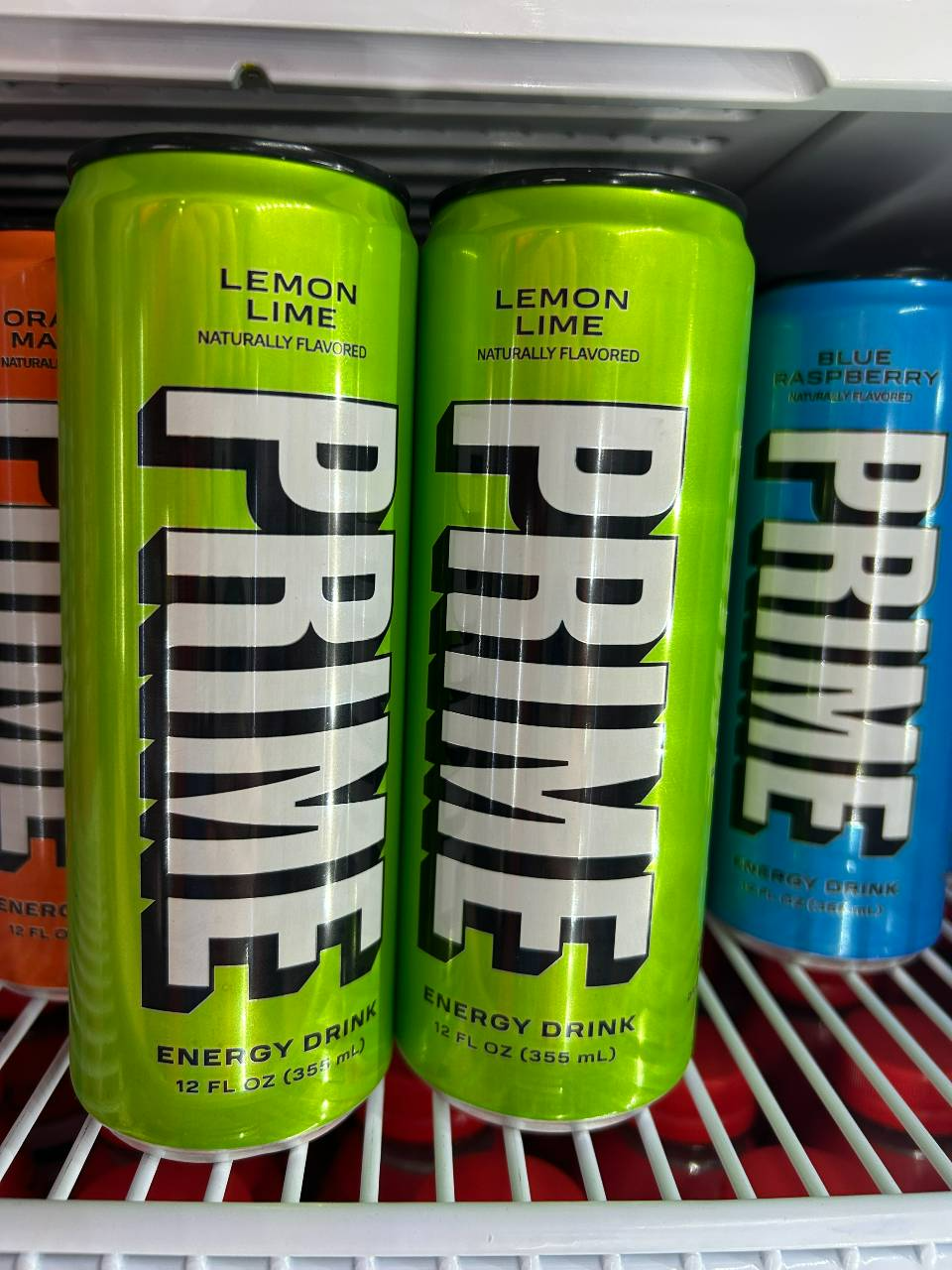
Quick answer: Prime Energy is a 12 oz energy drink with 200 mg of caffeine per can, roughly two cups of coffee's worth and about six times the caffeine in a can of Coke. For a healthy adult, an occasional can is unlikely to cause harm. The bigger issue is who is actually drinking it: the can is labeled not for anyone under 18, yet the brand's fan base skews young, and pediatric groups say caffeinated energy drinks have no place in kids' and teens' diets. Note that Prime Energy is a different product from Prime Hydration, which contains no caffeine.
Prime Energy vs. Prime Hydration: not the same drink

The two products share a logo and a marketing machine, which is exactly why they get confused. Prime Hydration is a caffeine-free sports drink sold in bottles. Prime Energy is a caffeinated energy drink sold in cans, and it is the one carrying the age warning. This article covers Prime Energy; if you want the breakdown of the sports drink, read our post on whether Prime Hydration is bad for you.
What's in Prime Energy?
Caffeine: 200 mg per can
The headline ingredient. 200 mg in 12 ounces is a lot of caffeine in a small, cold, fast-drinking package. A cup of coffee runs about 95 mg and tends to be sipped slowly; a can of Prime Energy can be gone in a minute. Speed matters, because a rapid caffeine dose is more likely to produce jitters, a racing heart, and sleep disruption than the same dose spread over an hour.
Sucralose and artificial sweeteners
Prime Energy is sweetened with sucralose rather than sugar, which keeps it low-calorie. Sucralose is approved by regulators and is safe at typical intakes, but the research picture is not spotless: some studies have linked it to changes in gut bacteria and to effects on appetite and reward signaling in the brain, including a JAMA Network Open study on sucralose and appetite. The honest summary is that occasional sucralose is not something to fear, while heavy daily intake of artificially sweetened drinks is still an open research question.
Citric acid, sodium benzoate, and added vitamins
The rest of the label is standard energy drink fare. Citric acid provides tartness and, along with the drink's overall acidity, is hard on tooth enamel with daily exposure. Sodium benzoate is a common preservative that is safe as used, though it is monitored by regulators because it can form small amounts of benzene under specific conditions involving vitamin C, heat, and light. The added B vitamins are unremarkable: useful if you are deficient, and simply excreted in most people who are not. None of these trace additives makes the drink dangerous, and none of them makes it a health product either.
Prime Energy side effects

Most of the documented downsides of energy drinks come from high or habitual caffeine intake, and they apply to Prime Energy like any other 200 mg drink:
- Heart and blood pressure effects. Caffeine at this dose raises heart rate and blood pressure temporarily. Research on heavy energy drink use has flagged palpitations and, in people with underlying heart conditions, more serious rhythm concerns.
- Sleep disruption. Caffeine has a half-life of several hours, so an afternoon can is still working at bedtime. Poor sleep then drives the next day's energy drink, which is how the habit loop forms.
- Dependence and withdrawal headaches. Daily caffeine builds tolerance. Skip a day and the rebound dilation of blood vessels in the head is a classic withdrawal headache.
- Tooth enamel erosion. Acidic, sweet-tasting drinks sipped through the day bathe teeth in acid. This one is about frequency more than quantity.
- Jitters and anxiety. A fast 200 mg dose can produce shakiness, restlessness, and anxiety, especially in smaller people and those who rarely consume caffeine.
One old claim worth correcting: energy drinks do not meaningfully dehydrate you. Caffeine is a mild diuretic, but the fluid in the can more than offsets it. The problems above are the real ones; dehydration is not.
Is Prime Energy safe for kids?

No, and this is the part of the story that actually matters. Prime Energy's own label says it is not recommended for anyone under 18, pregnant or nursing women, or people sensitive to caffeine. The American Academy of Pediatrics has been blunter: caffeinated energy drinks are never appropriate for children or adolescents, period.
Kids get a bigger effect from the same dose because they weigh less, and caffeine at high doses in developing bodies means elevated heart rate and blood pressure, anxiety, and disrupted sleep during the years when sleep does the most work. The tension with Prime specifically is that the brand was built by YouTube stars whose audience is largely under 18, the cans are bright and candy-flavored, and they sit on the shelf next to caffeine-free Prime Hydration in nearly identical trade dress. A parent grabbing a bottle for a 10-year-old can easily grab the wrong product. If there is one practical takeaway in this article, it is to check which Prime is in the cart.
How much caffeine is in Prime Energy?
Every flavor carries the same dose.
| Drink | Caffeine per serving |
| Prime Energy, Lemon Lime, 12 oz | 200 mg |
| Prime Energy, Tropical Punch, 12 oz | 200 mg |
| Prime Energy, Strawberry Watermelon, 12 oz | 200 mg |
| Prime Energy, Orange Mango, 12 oz | 200 mg |
| Prime Energy, Blue Raspberry, 12 oz | 200 mg |
| Coffee, 8 oz cup (for reference) | About 95 mg |
| Green tea, 8 oz cup (for reference) | 30 to 50 mg |
Natural vs. synthetic caffeine
Energy drink marketing leans hard on this distinction, so it deserves a straight answer: caffeine is the same molecule whether it is extracted from tea leaves or synthesized in a lab, and your body cannot tell the difference. What does differ is the delivery. Coffee and tea deliver caffeine gradually, alongside other plant compounds, and a Clarkson University study found naturally sourced caffeine was associated with longer-lasting benefits for cognition and mood. A cold 200 mg can consumed in minutes hits faster and falls off harder. If Prime Energy gives you a crash that coffee does not, blame the dose and the speed, not the caffeine's birthplace.
What does "natural flavors" mean?
Prime Energy, like most flavored drinks, lists "natural flavors." The FDA's definition covers flavoring substances derived from plant or animal sources, but the term says nothing about how processed the final flavoring is, and companies are not required to disclose the specific ingredients. Natural flavors are generally recognized as safe, so this is a transparency issue rather than a danger, but it is fair for consumers to want to know more than a two-word label reveals.
Artificial sweeteners and heart rhythm
A large prospective cohort study published in the American Heart Association journal Circulation: Arrhythmia and Electrophysiology found that people who drank two liters or more of artificially sweetened beverages per week had a 20% higher risk of developing atrial fibrillation, an irregular heart rhythm. Sugar-sweetened drinks at similar volumes carried about a 10% higher risk, while drinking a liter or less of unsweetened juice weekly was associated with an 8% lower risk. This is an association study, not proof that sweeteners cause AFib, but it is one more reason not to make artificially sweetened drinks a multi-can daily habit.
Healthier ways to get energy

If you drink Prime Energy occasionally and enjoy it, this is a fine place to stop reading. If you are reaching for it every day, cheaper and gentler options cover the same ground:
- Water first. Mild dehydration reads as fatigue. A glass of cold filtered water is the most underrated energy drink there is.
- Coffee or green tea. The same active ingredient at a friendlier dose and pace, with no sweeteners. About 95 mg per cup of coffee, 30 to 50 mg for green tea.
- Coconut water. Natural electrolytes and potassium for post-exercise rehydration, no caffeine.
- Herbal tea or lemon water. No caffeine at all, useful for the habit and ritual without the stimulant.
The bottom line
Prime Energy is not poison, and it is not a health drink. It is 200 mg of caffeine with sweeteners and flavoring, reasonable for a healthy adult now and then, a bad idea as a daily habit, and off the table entirely for anyone under 18, which is precisely the group most drawn to the brand. Keep Prime Energy and Prime Hydration straight, and keep the cans away from the kids.
For the everyday hydration that should be doing most of the work, we make that simple: a filtered water bottle covers the gym bag and the commute, and the Pure XP pitcher, independently tested to reduce lead, PFAS, chlorine, and over 99.9% of microplastics, covers the fridge. You can browse all of our filtered bottles to find a fit.
Related reading
- Monster energy drink side effects
- Are Celsius drinks bad for you?
- Is C4 bad for you?
- Is Gatorade Zero bad for you?
Sources
- Medical University of South Carolina: Energy Drinks May Do More Harm Than Good Says Researchers
- Frontiers in Public Health: Health Effects and Public Health Concerns of Energy Drink Consumption in the United States
- Pediatrics (American Academy of Pediatrics): Sports Drinks and Energy Drinks for Children and Adolescents: Are They Appropriate?
- ACSM's Health & Fitness Journal: Stimulant-Containing Energy Drinks: What You Need to Know
- NCBI: Long-term consumption of energy drinks induces biochemical and ultrastructural alterations in the heart muscle
- NCBI: Age restriction warning label efficacy and high school student consumption of highly-caffeinated products
- JAMA Network Open: Obesity and Sex-Related Associations With Differential Effects of Sucralose vs Sucrose on Appetite and Reward Processing
- PubMed: Nonnutritive sweeteners and cardiometabolic health: a systematic review and meta-analysis
- NPR: Is 'Natural Flavor' Healthier Than 'Artificial Flavor'?
- The New York Times: Are 'Natural Flavors' Really Natural?
- Clarkson University: Natural Caffeine Offers Longer Lasting Improvement on Cognition and Moods
- Circulation: Arrhythmia and Electrophysiology (AHA): Sweetened Beverages, Genetic Susceptibility, and Incident Atrial Fibrillation
PRIME and PRIME HYDRATION are trademarks of Prime Hydration, LLC. Coca-Cola is a trademark of The Coca-Cola Company. This article is for educational purposes and is not medical advice.
Share:
Is Prime Hydration Bad For You?
Littleton, Colorado Water Quality Report