
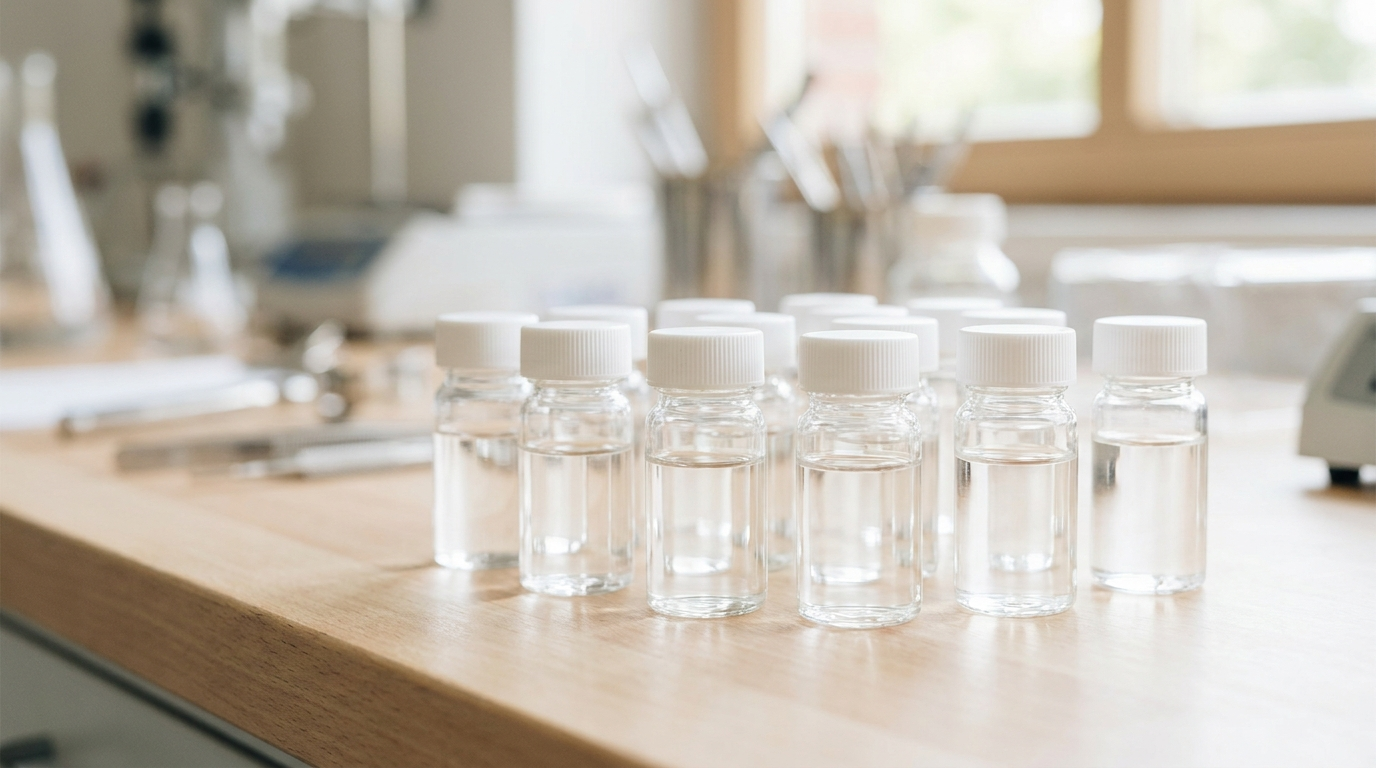
Are Home Water Test Kits Accurate? The Sample Is the Weak Link
At-home water testing has become a small industry: color-changing strips, mail-in kits that promise lab-grade answers, and apps that grade your tap with a single tidy score. The appeal is obvious. Knowing what is in your water is exactly the right instinct, and it is the first thing we tell people to do.
Here is the part that gets skipped in the marketing: in professional water testing, the analysis is only half the job. The other half is sample collection, and it is governed by strict protocols because small mistakes change results. When you buy a kit, you are volunteering for the half that trained samplers spend their careers getting right.

The lab is usually fine. The sample is the question.
To be fair to the better mail-in kits: many send samples to accredited laboratories running good instruments, and that half generally works. The weak link is upstream. A lab can only analyze what arrives in the bottle, and it has no way to know whether the bottle was collected correctly, what it touched, or what changed during three days in a delivery truck.
That is not a small caveat. It is the reason regulated water testing specifies, in writing, exactly how a sample must be drawn, stored, and shipped, and how quickly it must be analyzed.
Lead and bacteria need opposite protocols
The clearest example of why technique matters: the two contaminants people most want to test for require contradictory collection methods.
Federal lead sampling under EPA's Lead and Copper Rule is a first-draw protocol: one liter of water collected after it has sat unused in the plumbing for at least six hours, with no pre-flushing beforehand and the faucet aerator left in place. Those rules exist because flushing the tap first physically lowers the lead you are trying to measure. EPA's updated rule goes further in homes with lead service lines, adding a fifth-liter sample specifically to capture water that sat in the service line itself. A casual sample pulled at 2 pm from a tap that ran an hour earlier can read artificially low and hand you a false all-clear.
Bacteria sampling is the reverse. State health department procedures call for flushing the tap for several minutes first, disinfecting the faucet, and collecting into a sterile bottle, without rinsing it, because many sterile bottles contain a preservative tablet that is supposed to stay in, and without touching the bottle rim or the inside of the cap. The sample then needs to stay cool and reach a lab within roughly 30 hours.
Run both tests from one kitchen-sink session and you have almost certainly ruined one of them. Cross-contamination compounds it: a fingertip on a rim, a bottle set down cap-side, a sample drawn past a dirty aerator, and the lab is now measuring you, not your water.

Some numbers expire before the box ships
There is also a clock. Federal test methods assign holding times to each measurement, and some are startlingly short. pH must be analyzed within 15 minutes of collection. Chlorine residual is listed as immediately. These are field measurements, taken at the tap by design, because the moment water leaves your plumbing its chemistry starts drifting: gases escape, temperature shifts, chlorine decays.
A pH or chlorine number generated from a bottle that spent days in transit is not lab-grade data. It is a measurement of water that no longer exists. Mail-in kits report those numbers anyway, and a low-looking pH or a scary chlorine reading from a stale sample can send people shopping for solutions to a problem their tap does not have.
A score is not a diagnosis
The newest wrinkle is the one-number water score: dozens of analytes, detection limits, and weighting assumptions compressed into a single grade. We have made this argument before about TDS meters, and it applies here with more decimal places. A single number cannot tell you whether the thing dragging it down is cosmetic or consequential, and a proprietary grade is not a regulatory measure. If you have results worth reading, read the analyte rows against EPA limits, not the headline.
Why real lab testing costs real money
There is a reason a serious lab panel costs more than a kit on a shelf. Measuring metals at parts per billion takes instruments like ICP-MS. PFAS at parts per trillion takes LC-MS/MS and strict contamination controls. And an accredited lab carries the quality overhead that makes a number defensible: calibration standards, method blanks, duplicates, and audits. None of that ships in a cheap kit.
We know because we pay those invoices. Epic runs its filters through NSF for certification and through independent accredited laboratories including IAPMO R&T and BCS Laboratories for performance testing, and the bills run into the tens of thousands of dollars. Nobody spends that for a vibe. Good tests are expensive because accurate answers at trace levels are genuinely hard, and that is why a protocol-grade result from a real lab, collected the right way, deserves more trust than a sample that rode three days in a mail truck.
How to get answers you can trust
- Start with data professionals collected. Your utility's annual water quality report is free and measured under EPA protocols, and our What's in Your Water zip code lookup gives you a fast read on what has been found in your area.
- Ask your utility before paying for a kit. Many now offer free lead testing, with proper bottles and instructions included.
- For an action-level question, use a state-certified lab and follow its collection instructions exactly, once, rather than improvising. Lead and copper have different rules than bacteria; do them as separate, correctly timed draws.
- Treat any single result as a screening snapshot. Water varies by day, season, and tap. Retest before spending real money on a result you doubt, in either direction.
Where a filter fits in a verify-first world
We sell water filters, so here is our bias stated plainly, along with the discipline we hold ourselves to: a filter is a response to verified concerns, not a report card on your tap. We would rather you check first and filter second.
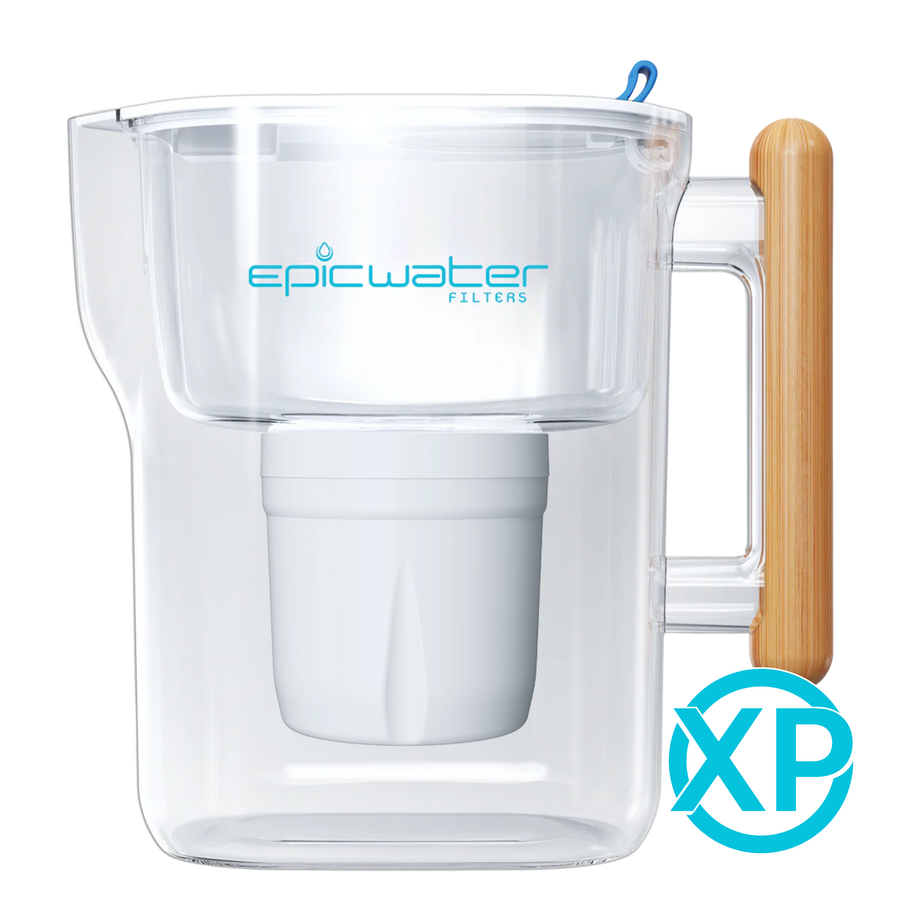
That is also why the claims on our side are built to be checkable rather than scored. A Pure XP pitcher is NSF certified to Standard 42 for chlorine taste and odor reduction and to NSF/ANSI/CAN 372 for lead-free materials, and it is independently lab tested to reduce 99.9% of lead against NSF/ANSI 53 criteria and PFOA and PFOS against NSF P473 criteria. Certification and independent testing are different things, and we label them accordingly, so you can read exactly what was tested instead of trusting a grade.
Test kits are not villains. They are instruments handed to untrained samplers, sold with more confidence than the sampling deserves. Respect the protocol, or borrow results from the people who follow it for a living.
Share:
Why Is My Tap Water Brown? Hydrant Flushing, Rust, and What to Do
The Best Water for Coffee: The 98% of the Cup Most People Skip