
Why Is My Tap Water Brown? Hydrant Flushing, Rust, and What to Do
You turn on the faucet and the water comes out brown, yellow, or orange. It is one of the more alarming things a tap can do, and one of the least alarming things it usually means. In most cases, brown water is rust: iron and manganese sediment that built up inside the water mains for decades and just got stirred loose.
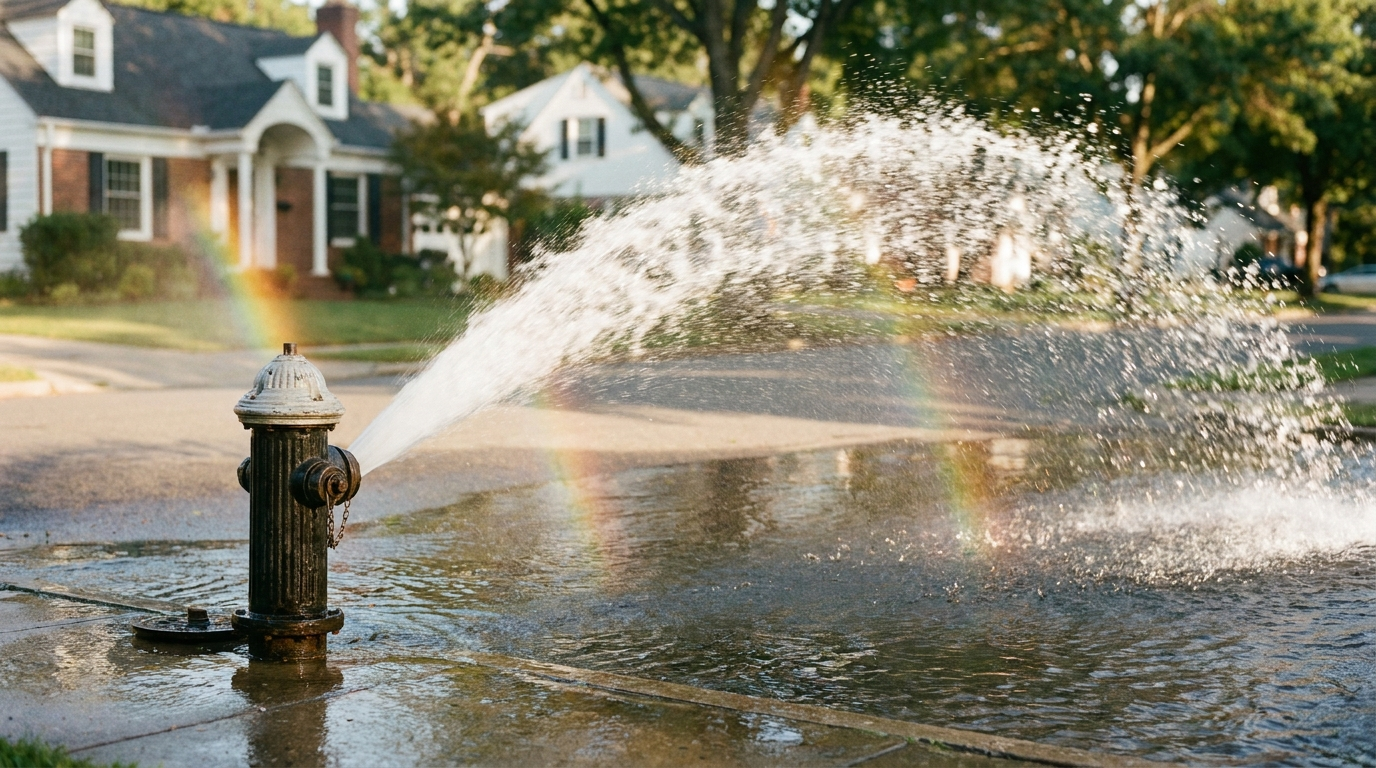
The timing is not a coincidence. Late August marks the start of fall hydrant flushing season, when utilities across the country deliberately open hydrants to clean out their pipes. Illinois American Water's flushing program in Villa Grove, for example, runs August 24 through September 4, 2026, and the City of Ellsworth, Maine ran its own program in early August. If a flushing notice shows up in your inbox this fall, a brown water day may follow it.

Where the color comes from
Much of America's drinking water still travels through iron and steel mains laid decades ago. Over time, rust and mineral scale accumulate on the inside of those pipes, where they mostly sit undisturbed. Water chemistry keeps them stuck to the pipe walls, and normal flow is too gentle to move them.
Anything that changes that flow suddenly, though, acts like a scrub brush. Hydrant flushing pushes high-velocity water through the mains on purpose. A water main break, firefighting, or a big pressure swing does the same thing by accident. The scoured sediment travels with the water to your tap. Iron tends to run red, orange, or brown. Manganese runs brown to black.
Regulators treat this as an appearance problem rather than a safety violation. The EPA sets secondary standards for iron at 0.3 mg/L and manganese at 0.05 mg/L, which are non-enforceable guidelines about taste, staining, and color, not health-based limits. One honest footnote: state health agencies note that manganese does carry health advisories at higher concentrations, with infants the most sensitive group, which is one reason the practical advice below is to wait rather than drink through it.
Why utilities flush on purpose
Hydrant flushing sounds disruptive, but it is genuinely good maintenance. Opening hydrants pushes fast-moving water through the distribution system, scouring out the very sediment that causes discoloration events and confirming every hydrant works when the fire department needs it. Many systems do this each spring and fall.
Utilities generally notify customers before crews arrive, and the advice they give is refreshingly practical. Illinois American Water's flushing-week tips include storing a large pitcher of water in the refrigerator for drinking, checking for discolored water before running the washing machine or dishwasher, and, once flushing ends, running the cold tap until the water is clear and cleaning faucet aerators if flow seems low.

Is brown water safe?
Utilities describe flushing-related discoloration as temporary and aesthetic, not a health emergency. That said, nobody recommends drinking visibly discolored water. The sensible playbook is patience:
- Do not drink or cook with water while it is visibly discolored. Wait it out.
- Run the cold tap until the water is clear, usually a matter of minutes. If it will not clear, wait a while and try again rather than running it continuously.
- Skip the hot tap while water is discolored, so sediment is not pulled into your water heater tank.
- Check the water before doing laundry. Iron and manganese are the classic culprits behind rust-streaked clothes and stained fixtures.
- Clean faucet aerators afterward if flow seems low.
If your utility issues an actual advisory, that is a different situation with different rules: follow the utility's instructions rather than improvising.
When it is more than rust
A few patterns point away from routine flushing and deserve a phone call to your utility: discoloration that persists for many hours, discoloration that affects only your home while neighbors are clear, or color that appears only on the hot side, which points to your own water heater rather than the mains.
Older homes deserve extra respect here. In homes served by lead service lines, EPA guidance warns that physical disturbances, including main repairs, meter replacements, service line work, and nearby construction, can shake loose lead particles into household water, and it calls for high-velocity flushing after that kind of work. If your home predates 1986 and you are not sure what your pipes are made of, that is worth finding out before the next crew shows up on your street. A state-certified lab test is the reliable way to answer a lead question, and a free first step is checking what is already reported in your area with the What's in Your Water zip code lookup.
Where a water filter honestly fits
Here is the part a filter company should say plainly: a filter is not the tool for an active brown water event. Running visibly rusty water through a cartridge just loads it with sediment and shortens its life, and carbon block filters are not designed to remove dissolved iron or cure chronic discoloration. Water that is brown every morning is a conversation with your utility or a well professional, not a pitcher purchase.
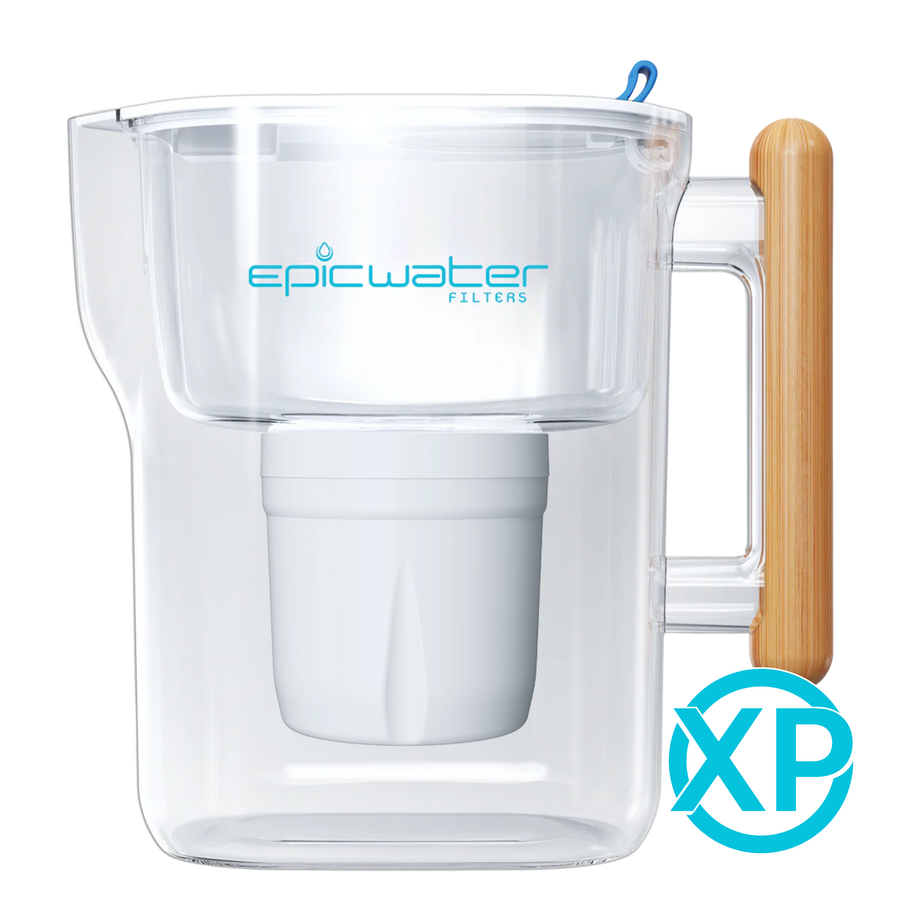
The filter's real jobs come before and after. Before: the utility playbook for flushing week is a pitcher of drinking water in the fridge, so make it a filtered one, poured the day before crews arrive. After: once the tap runs clear, you are back to everyday water, where a Pure XP pitcher does its actual certified and tested work: NSF certified to Standard 42 for chlorine taste and odor reduction and to NSF/ANSI/CAN 372 for lead-free materials, with independent lab testing showing 99.9% lead reduction against NSF/ANSI 53 criteria. That lead number is exactly the coverage you want in an older home where disturbances are part of life on the street.
Brown water days pass, usually within hours. The habit worth keeping is the one the utilities themselves recommend: know what is in your water, keep a filled pitcher ahead of flushing week, and let the tap clear before you go back to it.
Share:
Well Water and Drought: What to Test, What a Filter Can Do
Are Home Water Test Kits Accurate? The Sample Is the Weak Link