
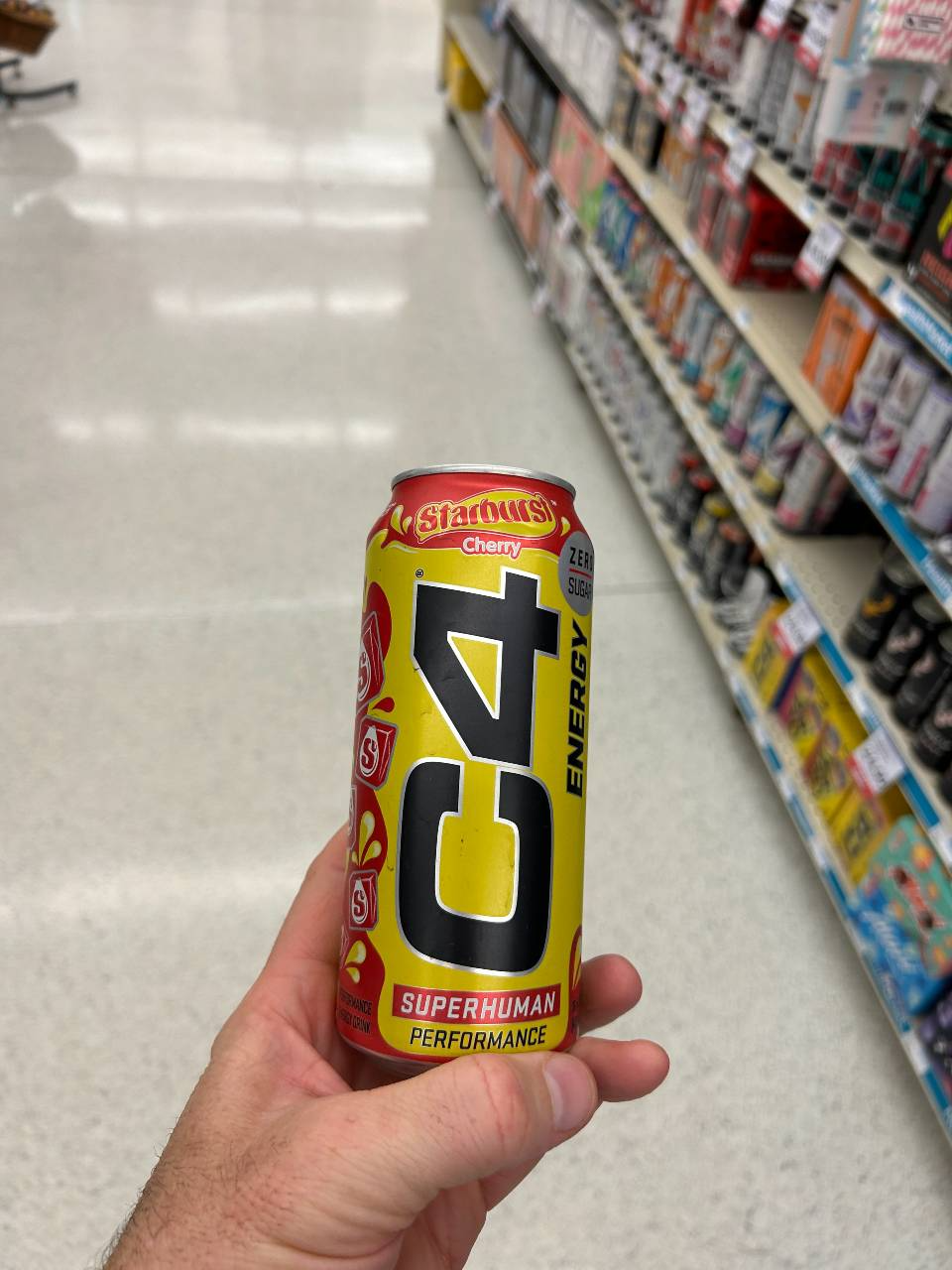
Quick answer: C4 is not dangerous for most healthy adults when used as directed, and its core ingredients genuinely help workout performance. The real considerations are caffeine dose (roughly 150 to 200 mg per serving depending on the product line, with some versions higher), two artificial sweeteners, and who is drinking it. C4 is not appropriate for kids or teens, for people with heart conditions, or stacked on top of coffee and other caffeine sources.
What is C4?

C4 is one of the best selling pre-workout brands in the world. It comes in two main forms: the original pre-workout powders you mix before the gym, and canned C4 Energy drinks sold in convenience stores. Both are built around caffeine plus performance ingredients like beta-alanine, L-citrulline, and betaine.
To be fair to the product, those ingredients are not snake oil. Caffeine is one of the most studied performance aids in sports science, and beta-alanine has real research behind it for repeated high-intensity efforts. If you take C4 before training, you probably do feel more alert and push a bit harder. The question is not whether it works. It is whether the full ingredient list is something you want every day, and whether it is right for you specifically.
Cellucor C4 Original Energy Drink ingredients: Carbonated Water, CarnoSyn Beta-Alanine, L-Citrulline, Malic Acid, BetaPower Betaine Anhydrous, Citric Acid, Potassium Sorbate (Preservative), Caffeine Anhydrous, Sucralose, Natural Flavors, Acesulfame Potassium, Niacinamide, N-Acetyl-L-Tyrosine, Cyanocobalamin (Vitamin B12).
C4 caffeine content

Caffeine is the main active ingredient and the main thing to watch. A can of C4 Energy contains 200 mg of caffeine, and a scoop of the original pre-workout powder is in the same general range, around 150 to 200 mg depending on the formula. Some higher-stimulant versions of the line contain more. For comparison, a typical cup of coffee has roughly 90 to 100 mg.
The FDA considers up to about 400 mg of caffeine per day safe for most healthy adults. One C4 fits inside that budget. The problem is that most people do not count. A morning coffee, a C4 before the gym, and an afternoon soda can add up quickly, and at higher intakes caffeine commonly causes jitters, anxiety, elevated heart rate, digestive upset, and poor sleep. Sleep is the sneaky one: caffeine taken in the afternoon can still be in your system at bedtime, and bad sleep undermines the training you took the C4 for in the first place.
Caffeine stacking
If you use C4, count it against your total for the day rather than treating it as separate from coffee, tea, and energy drinks. Taking a pre-workout on top of a normal coffee habit is how people end up well past 400 mg without noticing.
Who should be careful
People with heart conditions, high blood pressure, or anxiety disorders should talk to a doctor before using any high-caffeine product. Researchers have documented cardiovascular strain from heavy, long-term energy drink use, and stimulant-containing drinks are a recurring theme in emergency room visits when combined with exercise heat stress or other stimulants. Pregnant women are generally advised to keep caffeine well below these levels.
Why does C4 make you tingle?
The face and hand tingling that C4 is famous for comes from beta-alanine. The sensation is called paresthesia, it is dose-related, and it is harmless. It typically starts within 15 to 20 minutes and fades within about an hour. It is not an allergic reaction and not a sign the product is damaging your nerves. If you find it unpleasant, smaller doses produce less of it. This is the most common C4 side effect question, and the honest answer is that the tingling itself is not a health concern.
Artificial sweeteners in C4

C4 is sugar free, which it achieves with two artificial sweeteners: sucralose and acesulfame potassium (Ace-K). Both are FDA approved and both show up throughout the sugar-free beverage aisle, so this is not unique to C4.
Sucralose
Sucralose is calorie free and far sweeter than sugar. Some research suggests it may affect gut bacteria, and a JAMA Network Open study found differences in appetite and brain reward responses after sucralose compared with sugar, particularly in some groups. Other controlled trials show little effect. The evidence is genuinely mixed, which is a reason for moderation rather than alarm.
Acesulfame potassium (Ace-K)
Ace-K is roughly 200 times sweeter than sugar and is usually paired with sucralose to round out the taste. Animal research has linked high Ace-K intake to changes in the gut microbiome and body weight, but findings in humans at normal intakes are far less clear. The National Cancer Institute's position is that approved sweeteners have not been shown to cause cancer in humans at typical consumption levels. The reasonable takeaway: an occasional sugar-free drink is very unlikely to hurt you, but if artificial sweeteners are in everything you drink all day, that is worth rethinking.
Other ingredients worth knowing about

Citric acid
The citric acid in C4 is manufactured (usually via fermentation) rather than squeezed from citrus. It is a standard flavoring and preservative and is considered safe, though a small number of people report digestive upset from heavily acidified drinks. Like any acidic beverage, frequent sipping is not great for tooth enamel.
Potassium sorbate
Potassium sorbate is a common preservative that keeps mold and bacteria out of the can. The FDA and the European Food Safety Authority consider it safe at approved levels. Some laboratory studies have observed cell-level effects at concentrations far higher than anything found in food, which is worth knowing but is not evidence that the amount in a beverage is harming you. Sensitive individuals occasionally report mild reactions to preservatives generally.
Natural flavors
"Natural flavors" is a legally loose term. The flavor compounds must originate from a natural source, but they can be heavily processed in a lab, and the label does not tell you what they are. The FDA considers them safe, and there is no specific evidence the flavors in C4 are a problem. The fair criticism is transparency, not toxicity.
Vitamin B12
C4 uses cyanocobalamin, a synthetic form of B12. It is bioavailable and fine. It is also not a reason to drink an energy drink; food sources of B12 come packaged with the rest of their nutrition.
Is it OK to drink C4 every day?
For a healthy adult staying under about 400 mg of total daily caffeine, daily C4 is unlikely to cause harm. That said, daily use has practical downsides. Caffeine tolerance builds, so the same scoop delivers less kick over time, which pushes people toward bigger doses. Regular users also develop dependence, meaning headaches and fatigue on days without it. Many experienced lifters cycle off pre-workout for a few weeks periodically to reset tolerance, which is sensible. And if you need a stimulant to face every single session, it is worth checking the basics first: sleep, food, and hydration.
Can kids or teens drink C4?

No. This is the clearest answer in this article. The American Academy of Pediatrics states that caffeinated energy drinks have no place in the diets of children and adolescents, and C4 style products are formulated and labeled for adults. Caffeine hits smaller bodies harder, raising heart rate, blood pressure, and anxiety, and it disrupts the sleep that developing brains depend on. High school athletes reaching for pre-workout should be steered toward water, food, and rest instead.
Healthier alternatives to C4

If you want the boost without the full ingredient list, there are simpler routes:
- Black coffee: the same primary active ingredient as C4, with decades of safety data and nothing else in the cup.
- Green tea: a gentler caffeine dose plus antioxidants.
- Coconut water: natural electrolytes for rehydration after sweaty sessions.
- Lemon or lime water: flavor without sweeteners, sugar, or calories.
- Plain filtered water: unglamorous, but even mild dehydration measurably hurts strength, endurance, and focus. A lot of gym fatigue is really a hydration problem.
The bottom line
C4 works as a performance product and is reasonably safe for healthy adults who use it as directed and track their total caffeine. It is not for minors, not for people with heart conditions without a doctor's OK, and not something to stack casually on top of a coffee habit. The tingling is harmless. The sweeteners are a moderation question, not a poison question.
Whatever you decide about pre-workout, hydration is the cheaper performance upgrade underneath it. Our filtered water bottle is built for the gym bag: fill it at any tap and it filters as you drink. At home, the Epic Pure XP pitcher is independently tested to reduce lead, PFAS, chlorine, and over 99.9% of microplastics, so the water you mix your pre-workout with (or replace it with) is actually clean. You can browse the full filtered bottle collection and pitcher lineup to find the right fit.
Related reading
- Are Celsius drinks bad for you?
- Monster energy drink side effects
- Is Gatorade Zero bad for you?
- Which diet sodas do not contain aspartame?
Sources
- MUSC Health: Energy Drinks May Do More Harm Than Good, Researchers Say
- Frontiers in Public Health: Health Effects and Public Health Concerns of Energy Drink Consumption in the United States
- Pediatrics (American Academy of Pediatrics): Sports Drinks and Energy Drinks for Children and Adolescents: Are They Appropriate?
- ACSM's Health & Fitness Journal: Stimulant-Containing Energy Drinks: What You Need to Know
- NCBI (PMC): Long-term consumption of energy drinks induces biochemical and ultrastructural alterations in the heart muscle
- NCBI (PMC): Age restriction warning label efficacy and high school student consumption of highly-caffeinated products
- JAMA Network Open: Obesity and Sex-Related Associations With Differential Effects of Sucralose vs Sucrose on Appetite and Reward Processing
- PubMed: Nonnutritive sweeteners and cardiometabolic health: a systematic review and meta-analysis
- NCBI (PMC): The artificial sweetener acesulfame potassium affects the gut microbiome and body weight gain in mice
- National Cancer Institute: Artificial Sweeteners and Cancer
- NPR: Is 'Natural Flavor' Healthier Than 'Artificial Flavor'?
- The New York Times: Are 'Natural Flavors' Really Natural?
- PubMed: Mutagenicity and DNA-damaging activity caused by decomposed products of potassium sorbate (in vitro)
C4 and C4 ENERGY are trademarks of Woodbolt Distribution, LLC (Nutrabolt). This article is for educational purposes and is not medical advice.
Share:
Roseville, California Water Quality Report
Sunnyvale, California Water Quality Report