
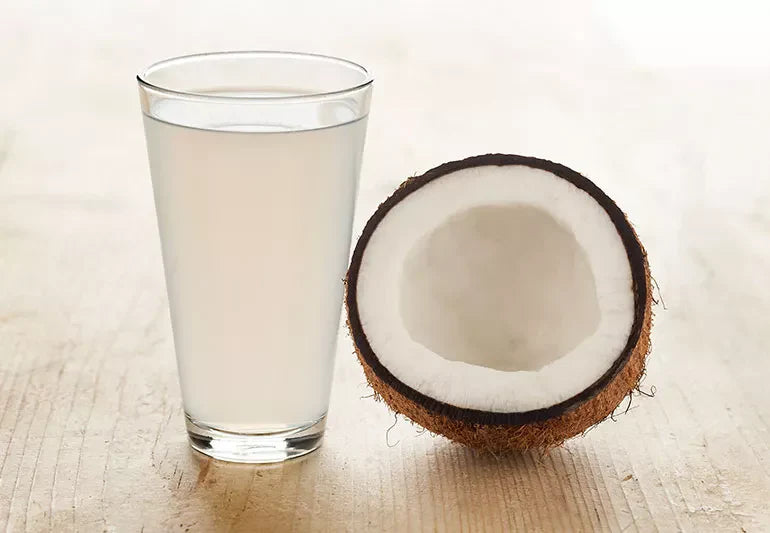
Quick answer: Coconut water is fine for most people in moderate amounts, and it is a reasonable choice for mild rehydration. Drink a lot of it, though, and it can have the opposite effect: its high potassium content and its fermentable carbohydrates (sorbitol and other FODMAPs) can loosen stools. If you already have diarrhea, small amounts may help you keep fluids down, but plain water or a proper oral rehydration solution is usually the better first choice.
Can coconut water cause diarrhea?

Yes, it can, although it usually takes more than one serving. Two things in coconut water explain why.
The potassium factor
Coconut water is one of the more potassium-rich drinks you can buy. That is a big part of its appeal as a natural electrolyte drink, but potassium in large doses has a well-known side effect: it can upset the stomach and loosen stools. Several servings in a short window add up to a potassium load your gut may notice. People with kidney disease or anyone taking medication that affects potassium levels should talk to a doctor before making coconut water a daily habit, because their bodies may not clear the excess efficiently.
Natural sugars and FODMAPs
Coconut water also contains natural sugars and fermentable carbohydrates in the FODMAP family, including sorbitol. In a small serving this is usually a non-issue. In larger servings, these carbohydrates can draw water into the intestine and feed gas-producing gut bacteria. For sensitive people that means bloating, cramping, and loose stools. If you have irritable bowel syndrome or follow a low-FODMAP diet, coconut water is a drink to sip in small amounts, not to chug by the carton.
Is coconut water good for an upset stomach?

Sometimes. When your stomach is unsettled or you have mild diarrhea, the main job is replacing the fluids you are losing. Coconut water is mostly water, carries some electrolytes, tastes mild, and is not carbonated, so many people find it easier to keep down than soda or fruit juice. Used that way, in small sips, it is a reasonable rehydration option for mild cases.
It is not a medical rehydration solution, though. Oral rehydration solutions are formulated with a specific balance of sodium and glucose to maximize fluid absorption. Coconut water is comparatively low in sodium and high in potassium, so it does not match that formula. For moderate to severe diarrhea, and especially for infants and young children, an oral rehydration solution and a call to a healthcare provider are the right moves.
There is also an obvious catch: the same potassium and fermentable sugars that make coconut water a gamble in quantity can make an unhappy gut unhappier. If coconut water seems to make your symptoms worse, stop drinking it. That is your answer.
Coconut water benefits

None of this makes coconut water a bad drink. It has legitimate things going for it:
- Hydration. It is mostly water, so it hydrates well, especially in hot weather or after physical activity.
- Electrolytes. It naturally contains potassium, along with smaller amounts of sodium and magnesium, which matter for fluid balance and muscle function.
- A lighter alternative. Unsweetened coconut water is low in calories and fat compared with soda and most fruit juices, with no added sugar if you buy the plain version.
- Possible heart benefits. Some small studies have suggested coconut water may help with blood pressure, likely because of the potassium. The evidence is limited, so treat this as a maybe, not a promise.
How much coconut water is too much?

There is no official cutoff, and tolerance varies from person to person. As a practical rule, one serving a day is unlikely to bother a healthy adult. The digestive complaints tend to show up when people treat coconut water like plain water and drink it all day long. Watch for these situations:
- You are drinking multiple servings back to back, for example after a workout.
- You have a sensitive gut, IBS, or a known FODMAP intolerance.
- You have kidney problems or take medications that raise potassium, in which case ask your doctor first.
- You are using it as your main fluid during an illness instead of water or an oral rehydration solution.
When plain water is the better choice
For everyday hydration, plain water wins on every practical measure: no sugar, no calories, no potassium load, and a fraction of the cost. Sports science is fairly consistent that for ordinary workouts under an hour, water covers your needs and electrolyte drinks are optional. Coconut water earns its place after long, sweaty exercise, in serious heat, or as a gentler option during mild stomach trouble. The rest of the time, it is an occasional drink you have because you like it, not a health requirement.
The bottom line on coconut water and diarrhea
Coconut water in moderation is fine, and for mild rehydration it is genuinely useful. In quantity, its potassium and FODMAP content can send you to the bathroom, and during real illness it is no substitute for water or an oral rehydration solution.
If part of the reason you reach for flavored drinks is that you do not love the taste of your tap water, a filter is the cheaper fix. Our Pure XP pitcher is independently tested to reduce lead, PFAS, chlorine, and over 99.9% of microplastics, and the Pure XP Dispenser does the same job for bigger households. For the gym bag, a filtered water bottle keeps clean water within reach on the go.
Related reading
- Is Powerade good for you?
- Is Gatorade Zero bad for you?
- Benefits of baking soda in water
- How much weight will I lose on a 3-day water fast?
This article is for educational purposes and is not medical advice. If diarrhea is severe, bloody, or lasts more than a couple of days, or if it occurs in an infant or young child, contact a healthcare provider.
Share:
Can You Drink The Water In Mexico
How Bad Is Cool Whip For You